
Research area
Neuro-signalling research peptides
Neuropeptides and their synthetic analogues for laboratory research on BDNF, GABAergic, melanocortin, oxytocin-receptor and sleep-architecture signalling.
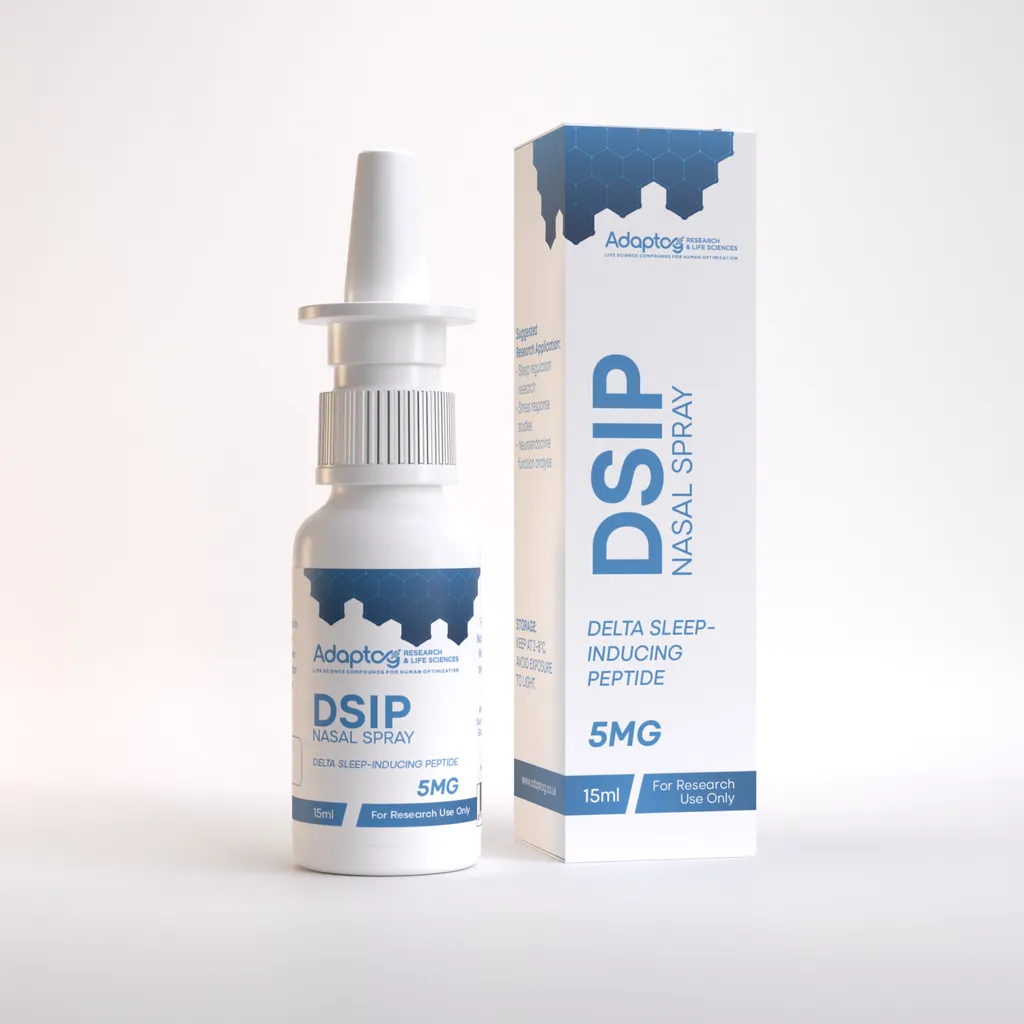
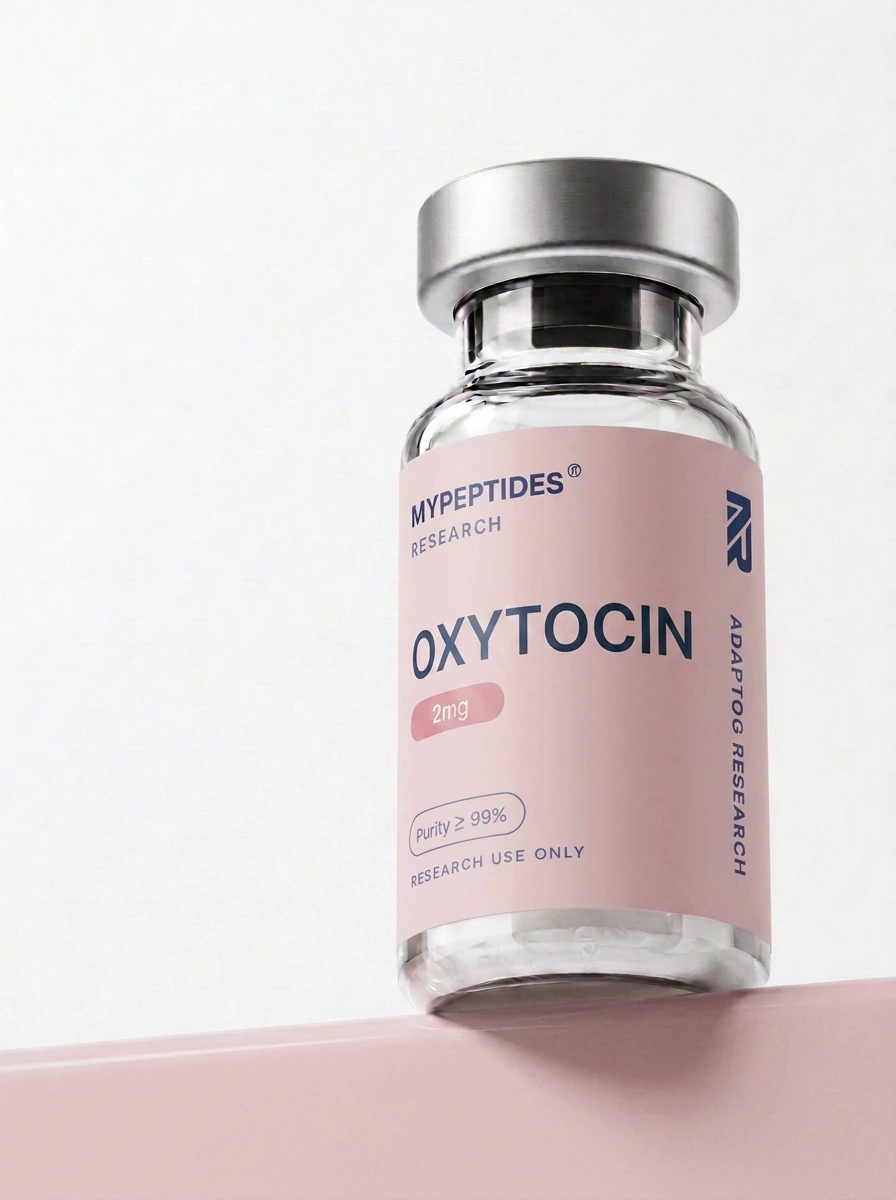
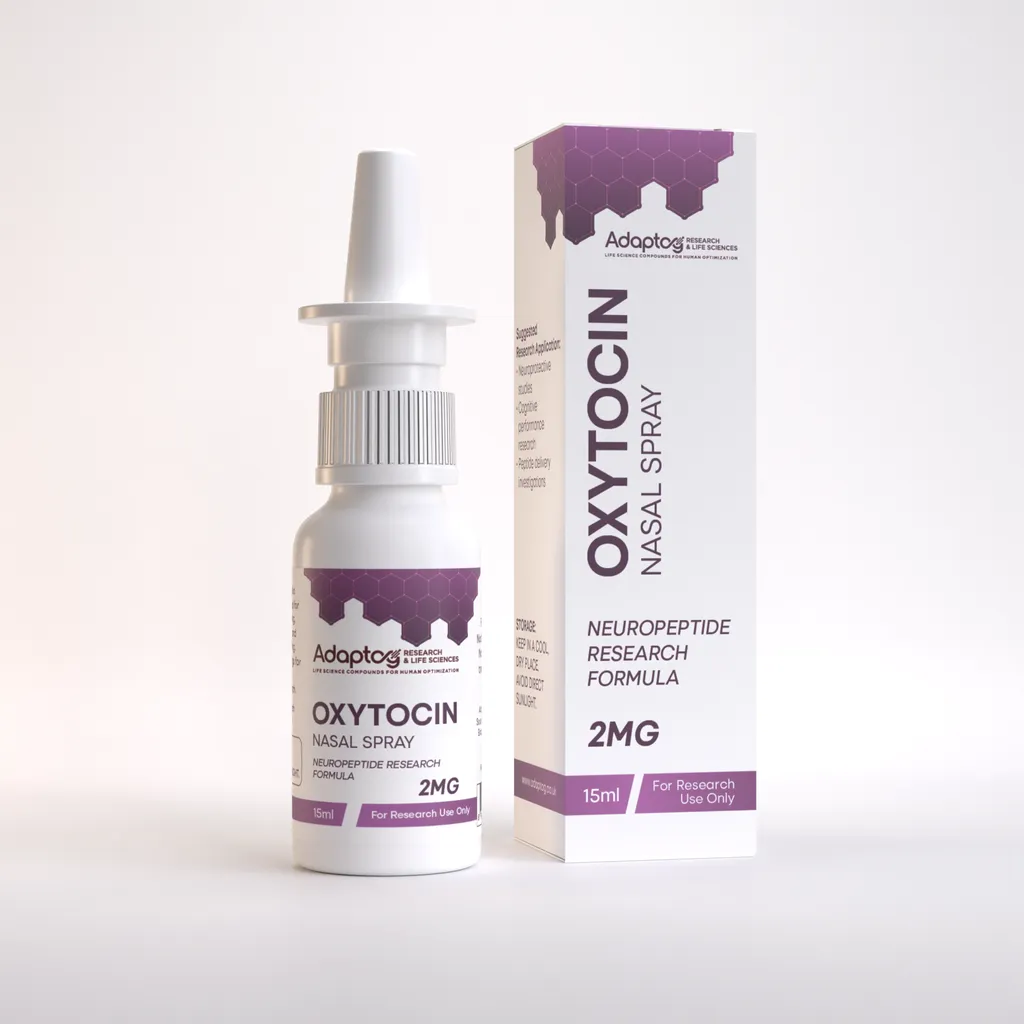
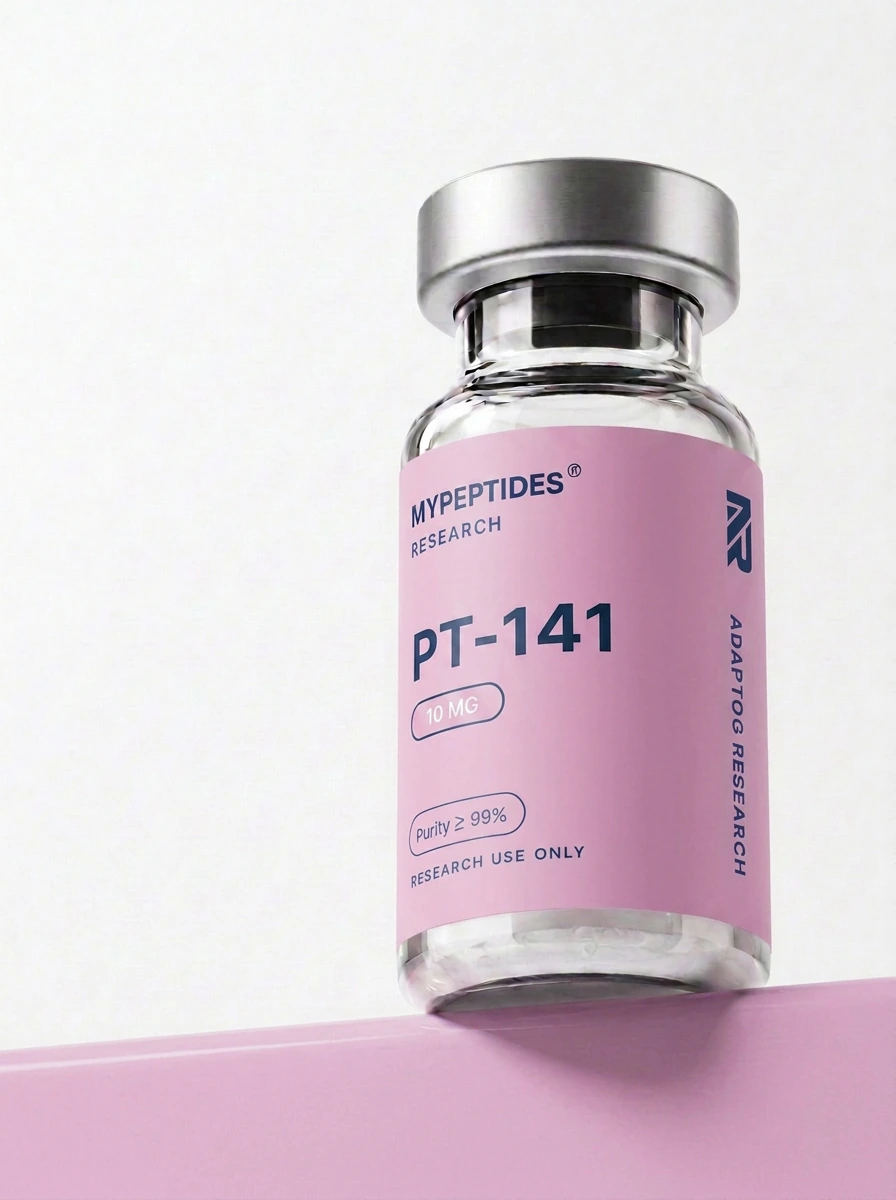
Neuropeptide analogues
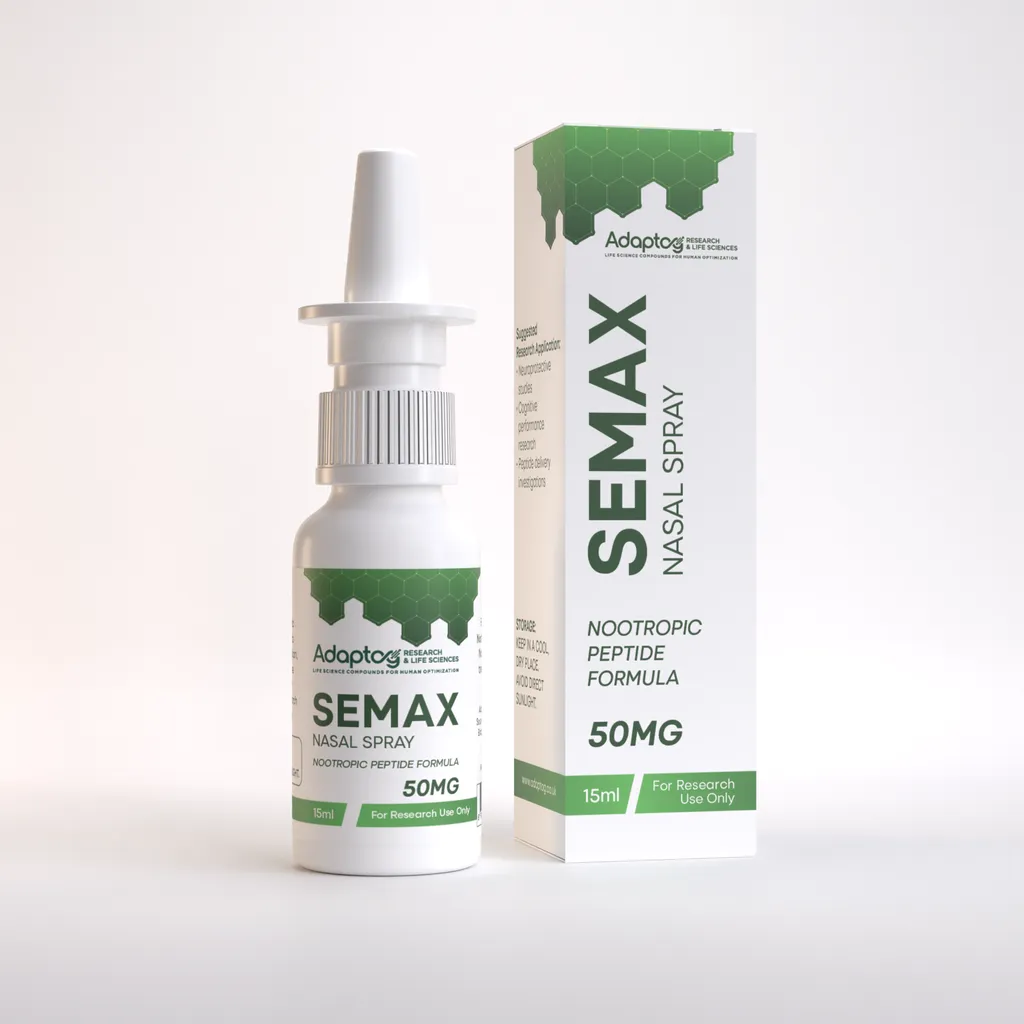
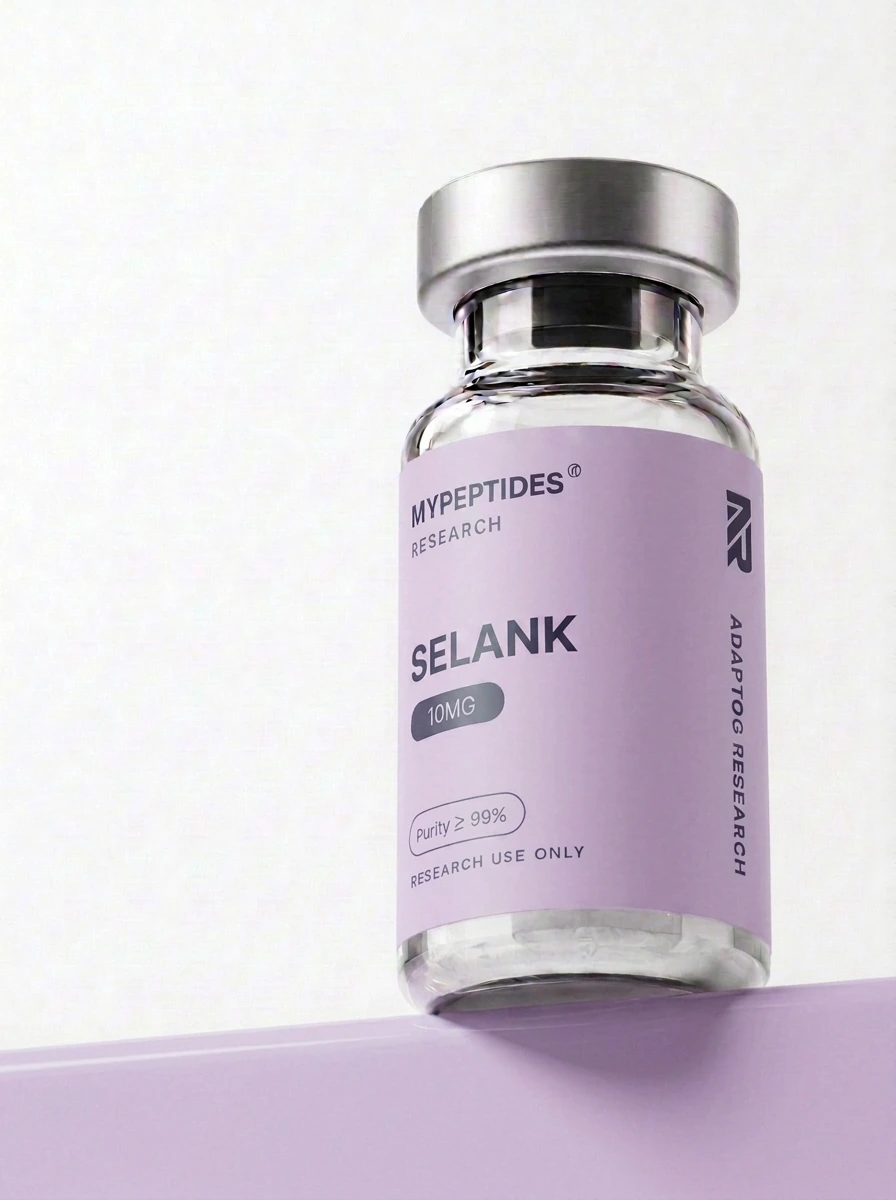
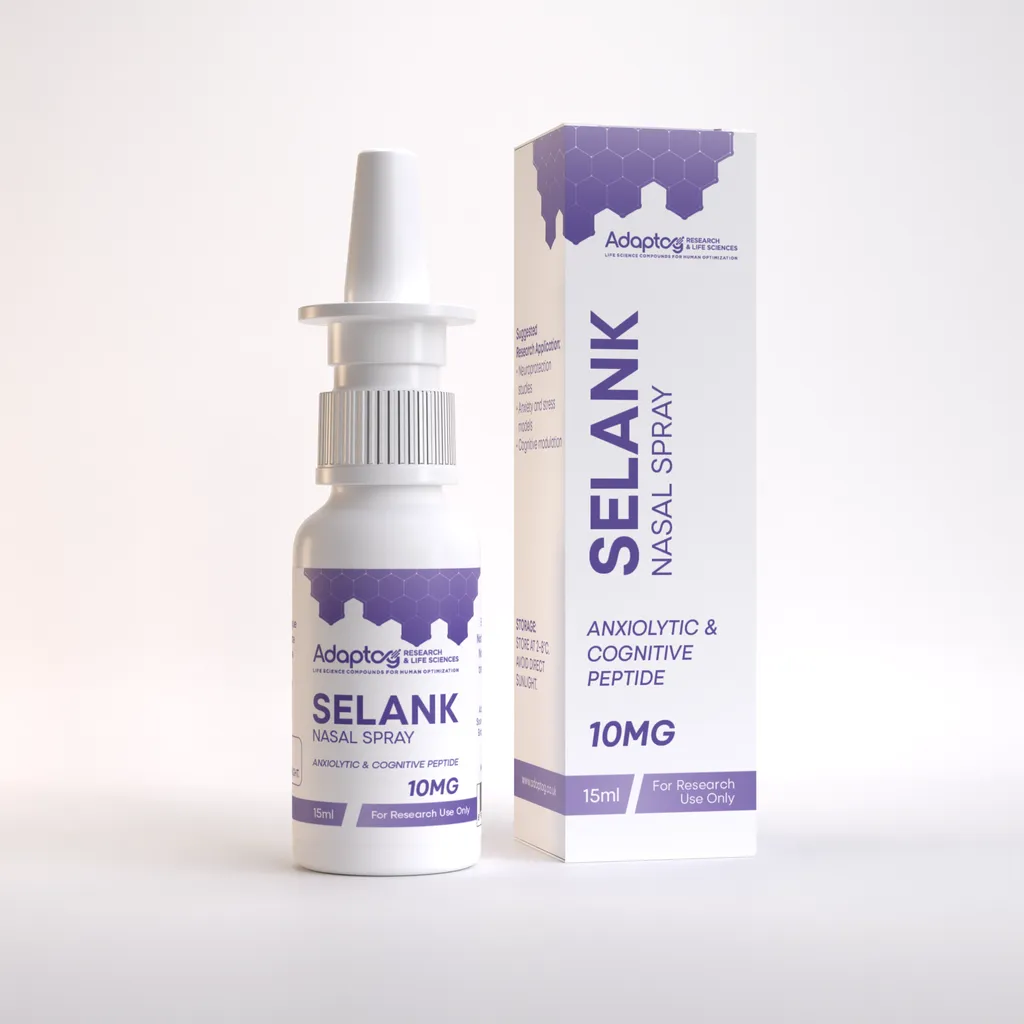
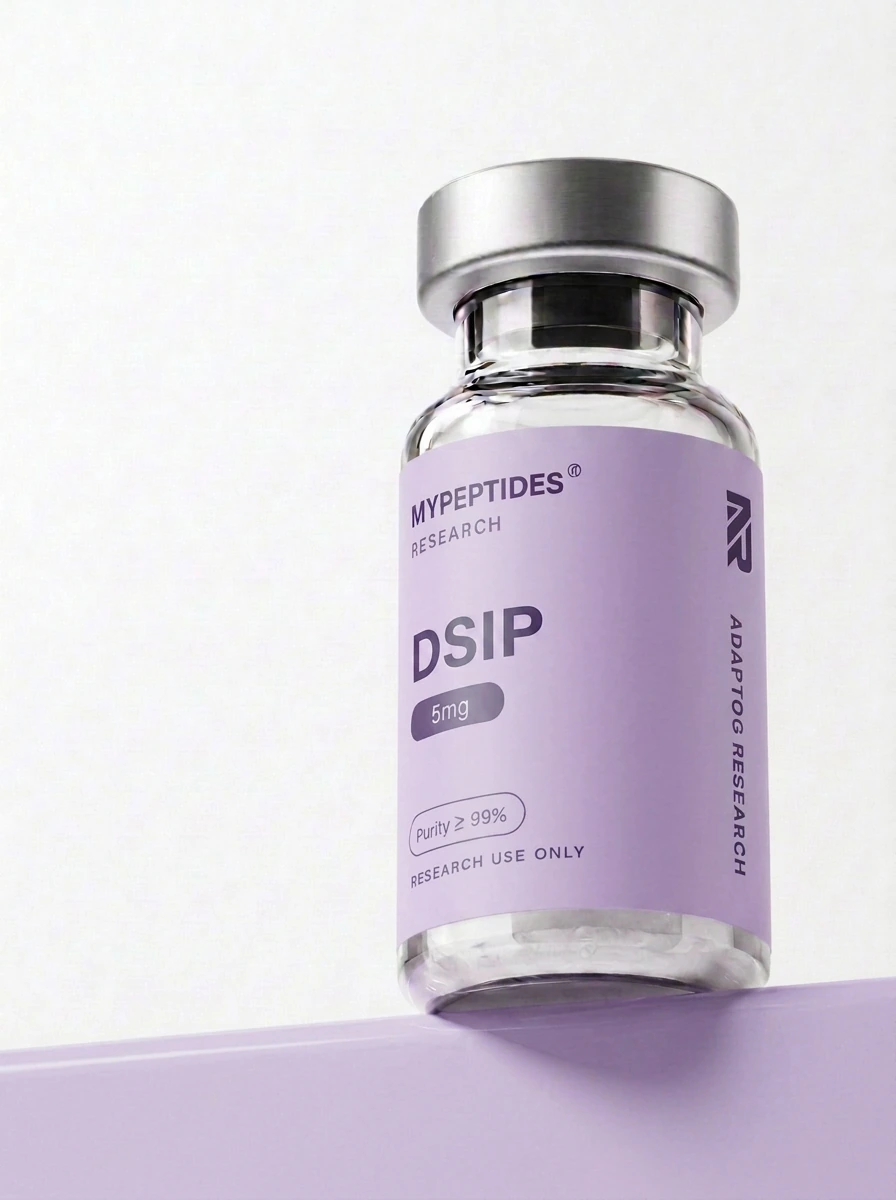
Semax is a heptapeptide built on the ACTH(4-10) fragment with a stabilising Pro-Gly-Pro tail and is studied for BDNF / NGF expression. Selank is a heptapeptide analogue of tuftsin studied for GABAergic and neuroimmune signalling. DSIP, the delta sleep-inducing peptide, is a reference ligand in sleep-architecture and circadian research.
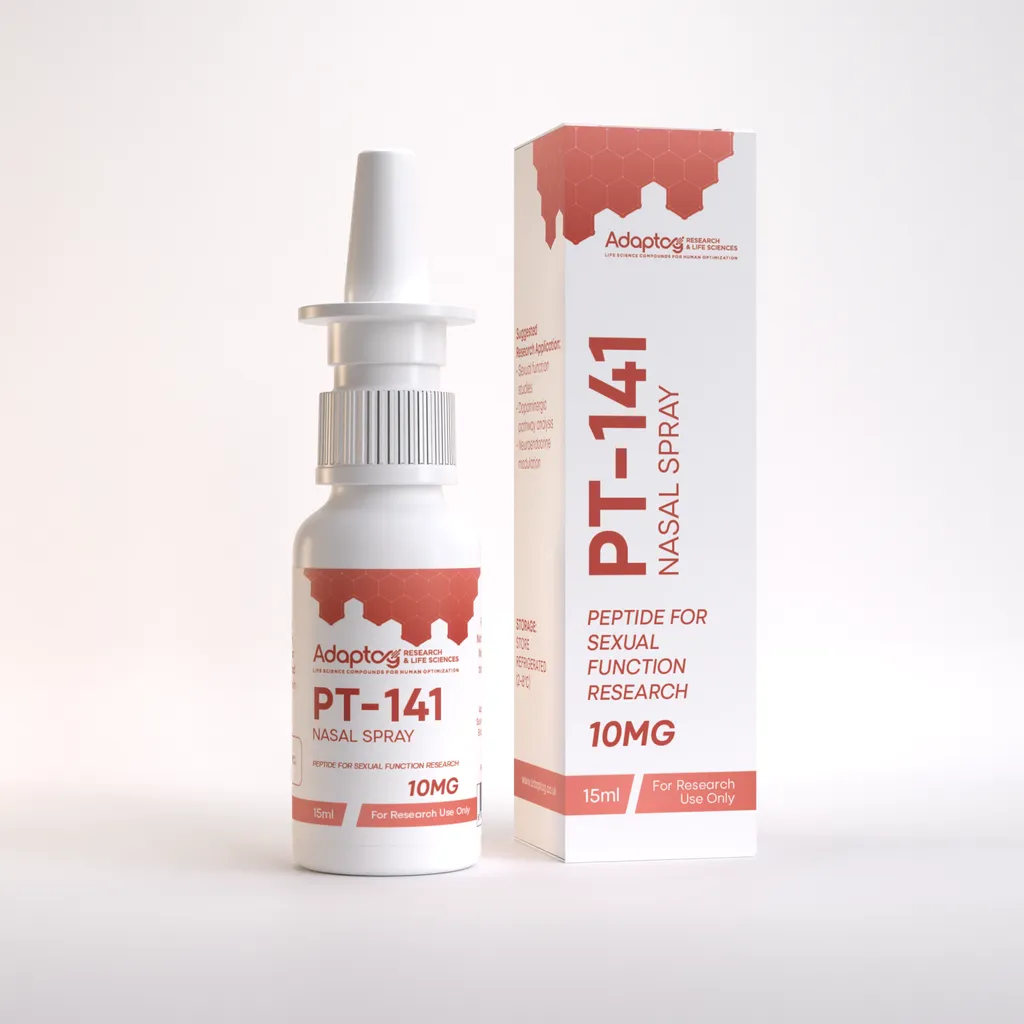
Oxytocin is the classic neurohypophysial nonapeptide for oxytocin-receptor studies, and PT-141 (bremelanotide) is a melanocortin analogue with a preference for the MC4 receptor.
Vials and sprays
Every compound in this range is available as a ready-made 15 ml nasal-spray solution, and most also as a lyophilised vial — useful when comparing formats with the same peptide.
Orders placed before 12:00 UK time (Mon–Fri) are dispatched the same working day by tracked delivery, free on UK & EU orders over £50.
Frequently asked questions
What is the difference between Semax and Selank?
Semax is derived from ACTH(4-10) and is studied mainly for BDNF and melanocortin-pathway signalling; Selank is derived from tuftsin and is studied for GABAergic tone and neuroimmune signalling.
Is PT-141 the same as Melanotan II?
No. PT-141 (bremelanotide) is a cyclic heptapeptide related to Melanotan II but with a stronger preference for the MC4 receptor.
How should neuropeptides be stored?
Lyophilised vials at −20 °C, protected from light; nasal sprays at 2–8 °C, tightly closed.
Are neuro-research peptides for human use?
No. Everything in this range is supplied strictly as laboratory research material for in-vitro use. It is not a medicine, food, supplement or cosmetic and is not for human or veterinary use.
Related research areas