
Research area
Growth-hormone axis research peptides
GHRH-receptor agonists, ghrelin-receptor (GHS-R1a) secretagogues, somatropin, growth-hormone fragments and IGF-1 analogues — the full growth-hormone axis for laboratory research.



Two receptor families
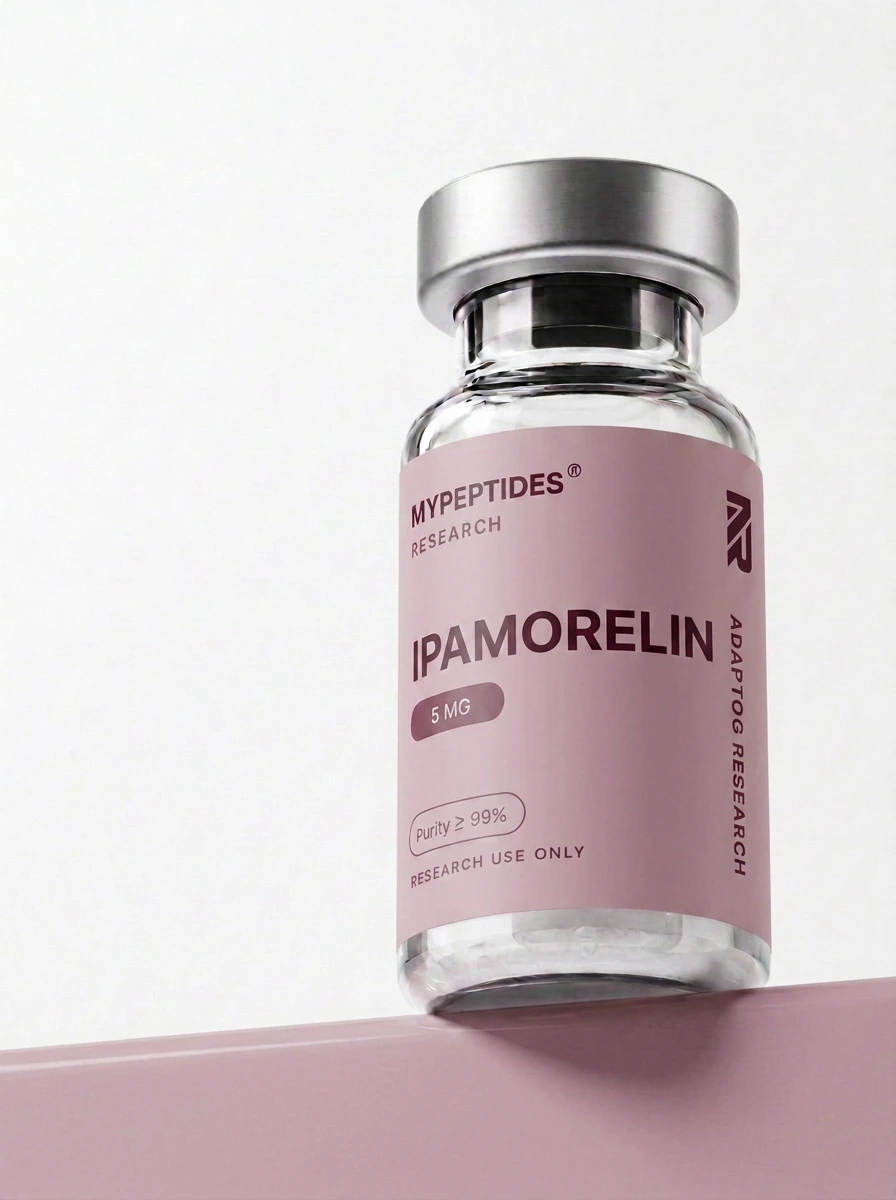
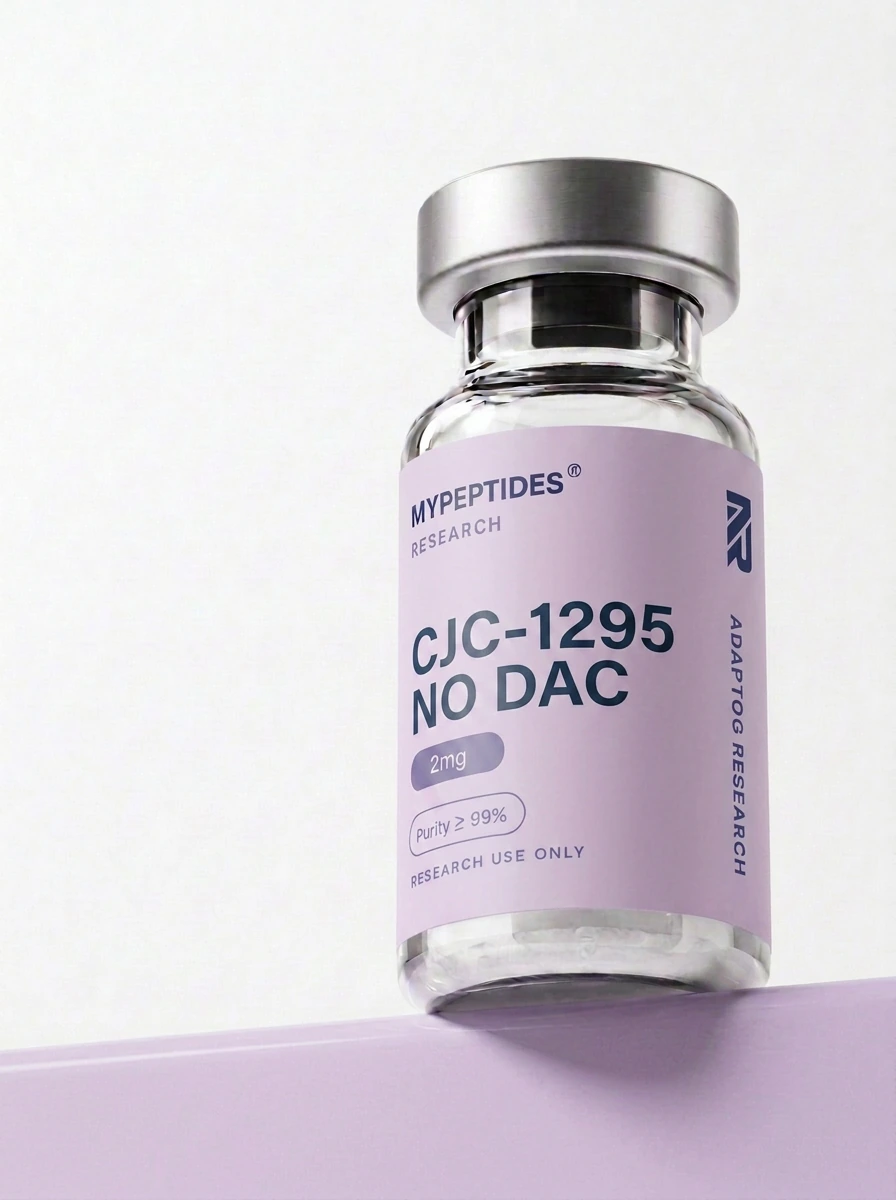
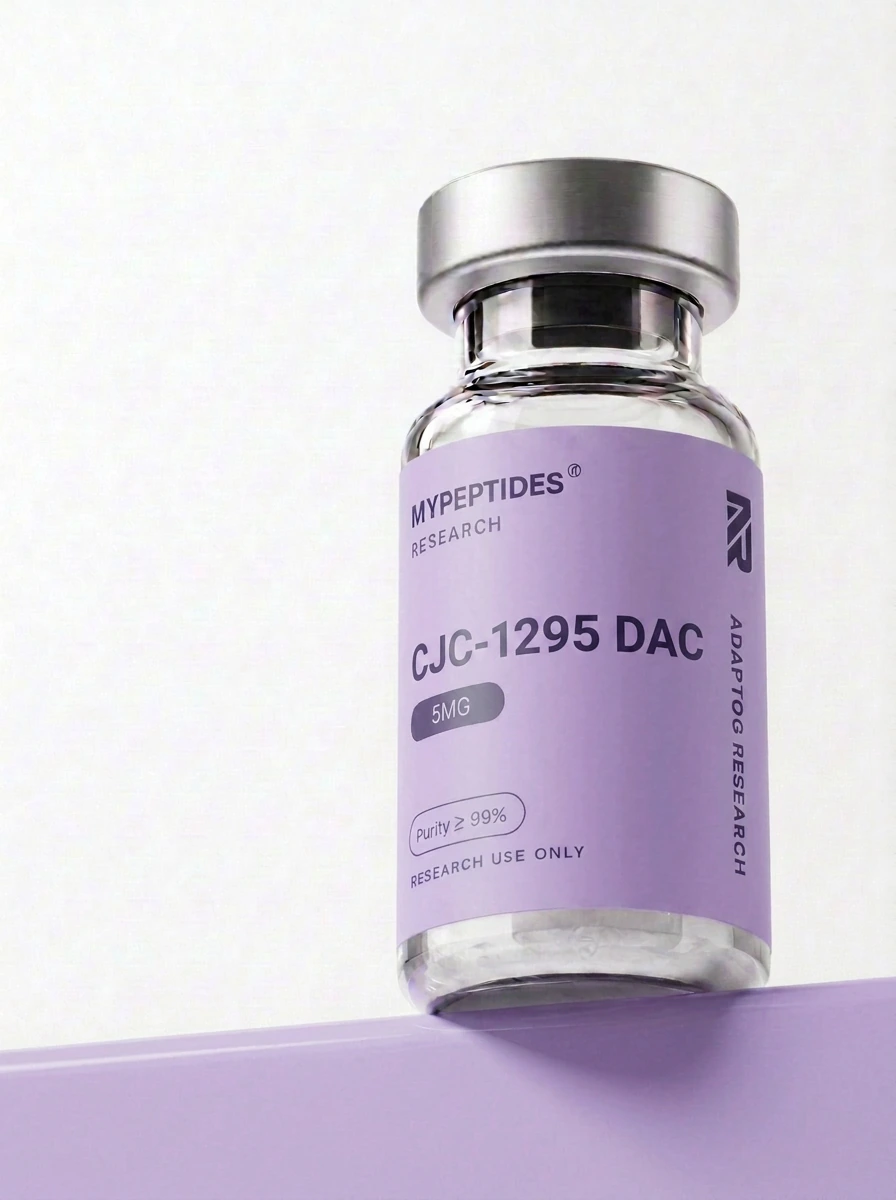
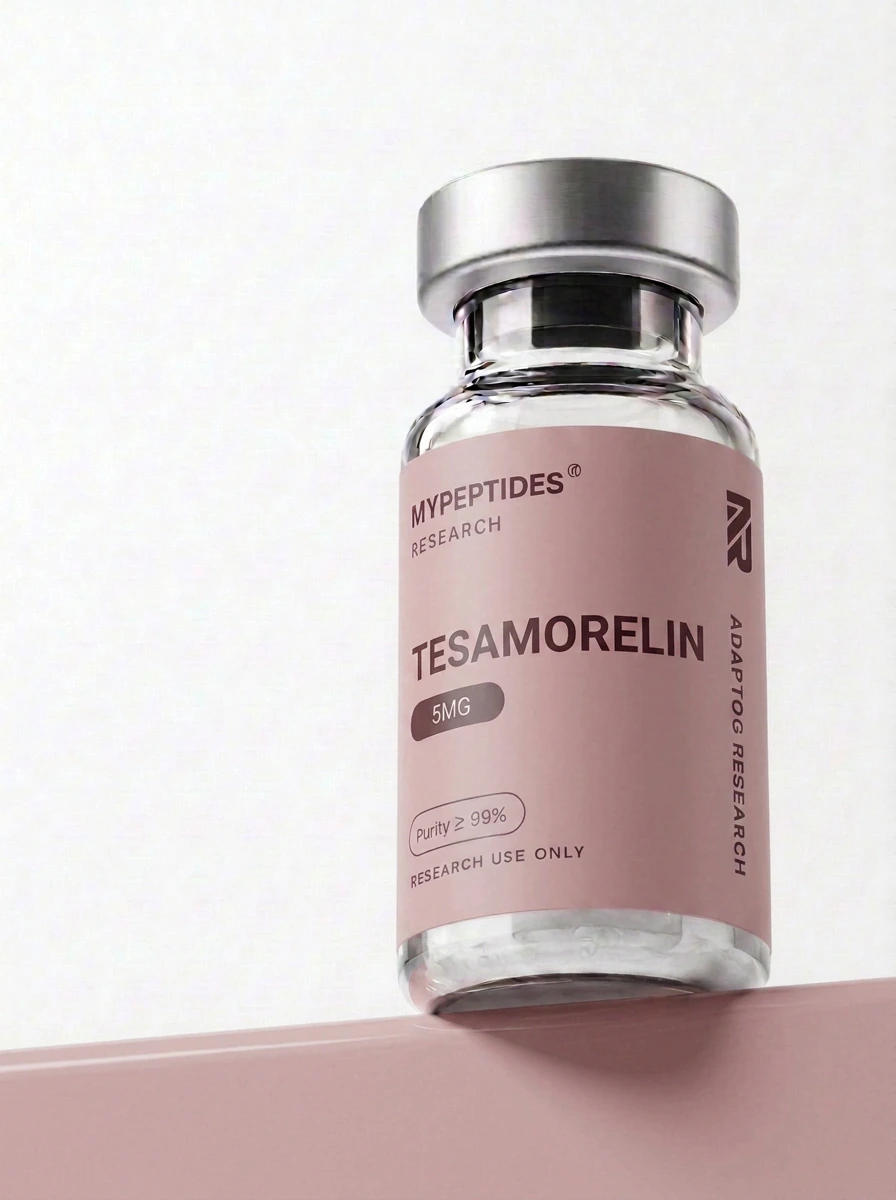
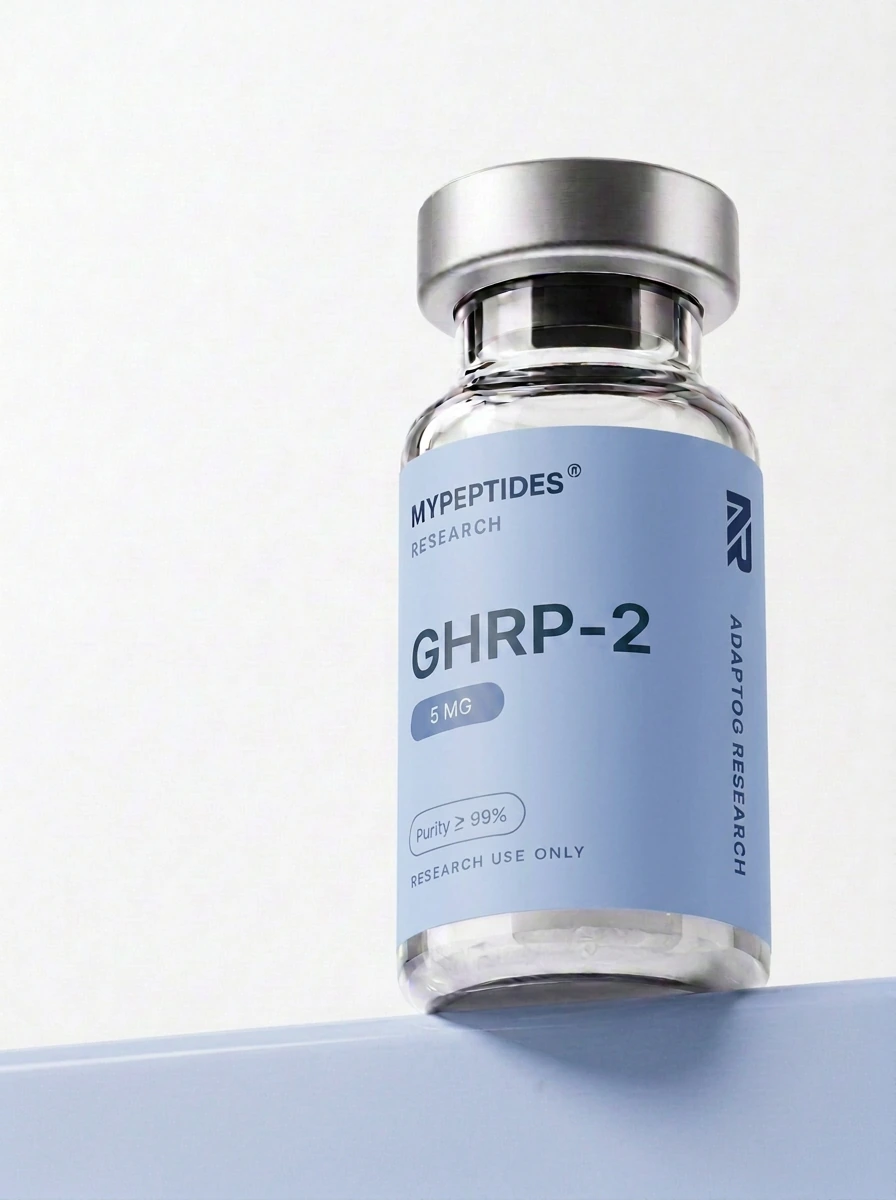
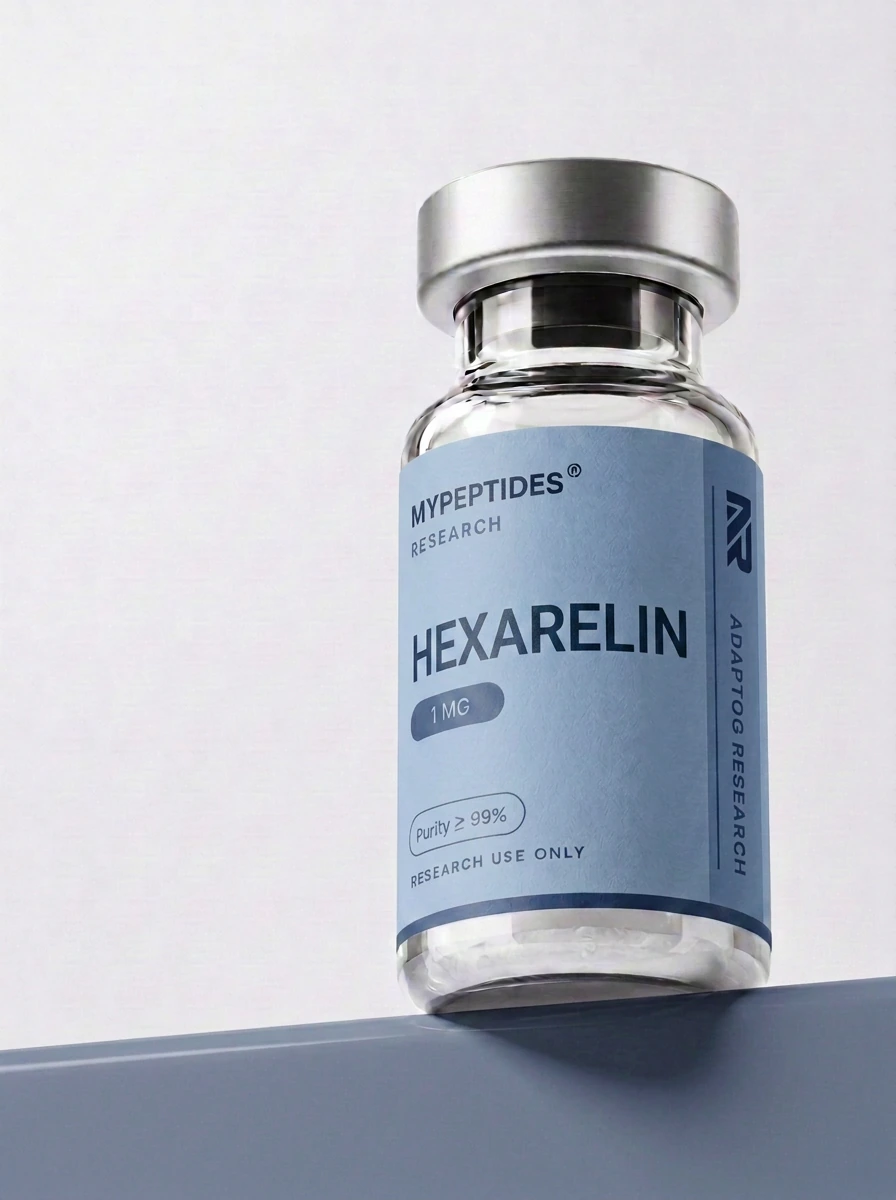
Growth-hormone release is studied through two receptors. GHRH-receptor agonists — sermorelin, tesamorelin and CJC-1295 with or without DAC — mimic growth-hormone-releasing hormone. Ghrelin-receptor agonists — ipamorelin, GHRP-2, GHRP-6 and hexarelin — act on GHS-R1a, with ipamorelin known for its receptor selectivity.
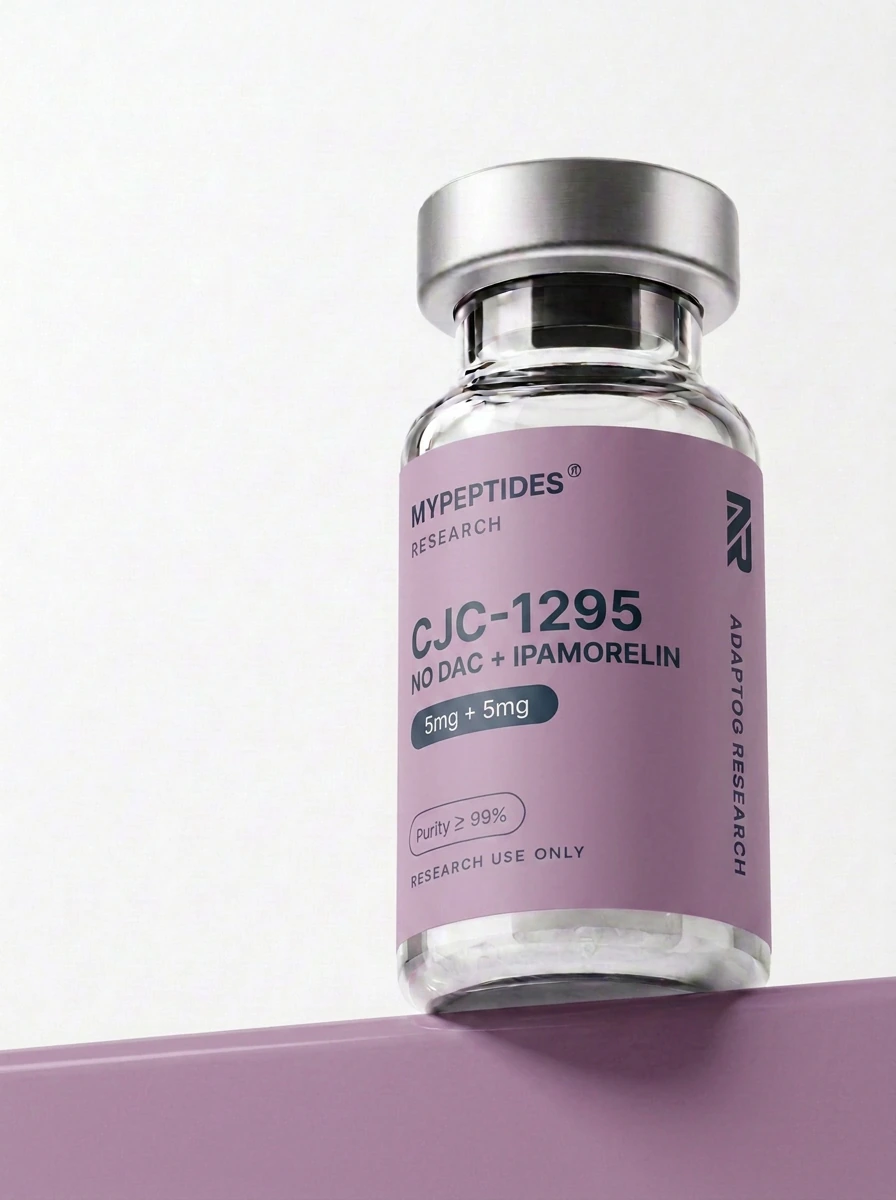
The CJC-1295 + Ipamorelin blend combines one compound from each family for additive-signalling models.
Downstream of the receptor
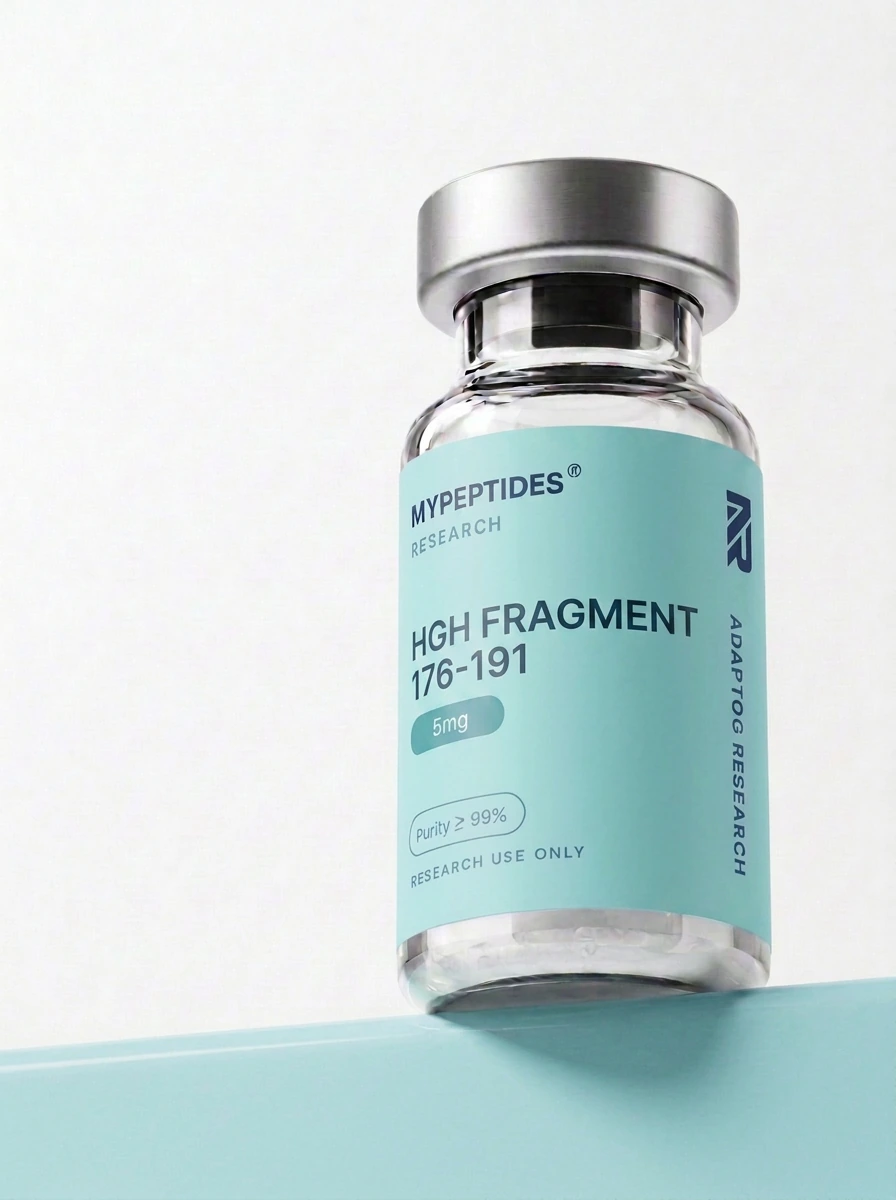
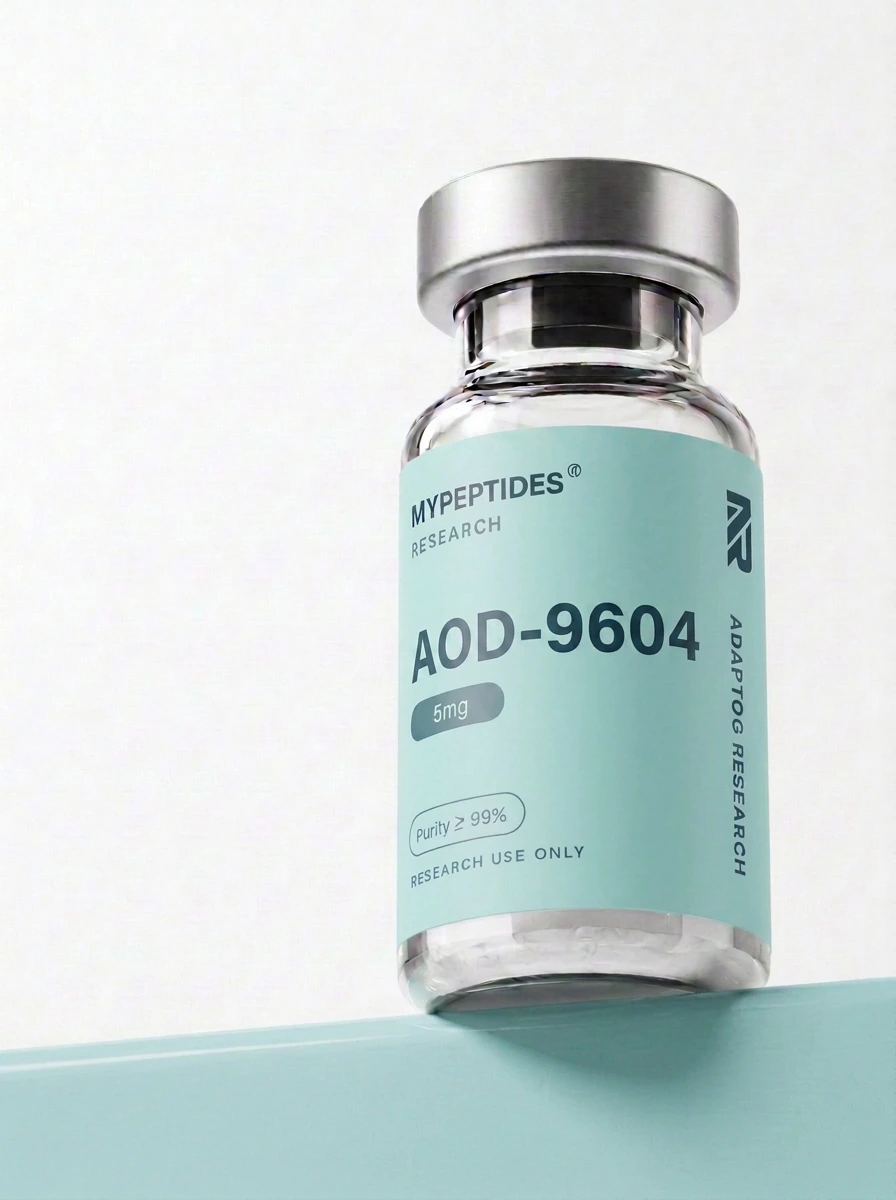
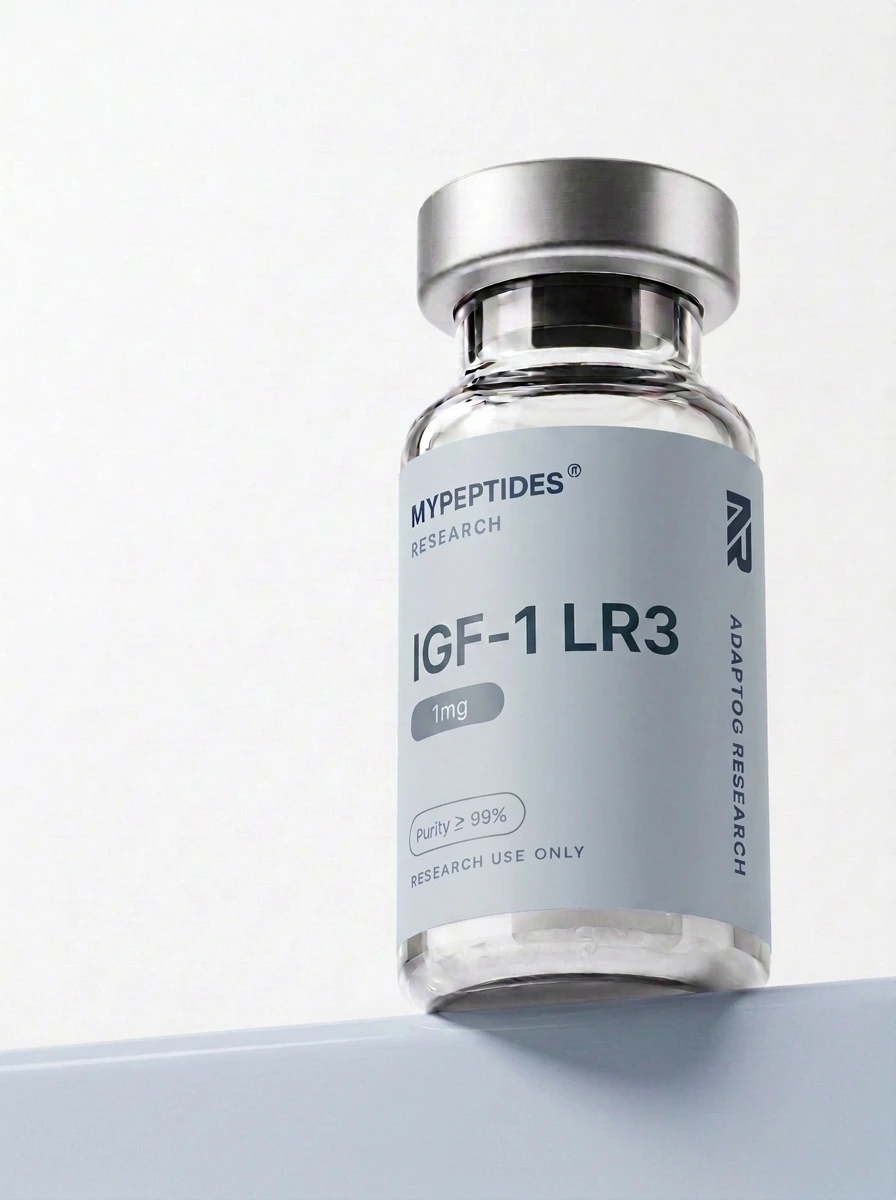
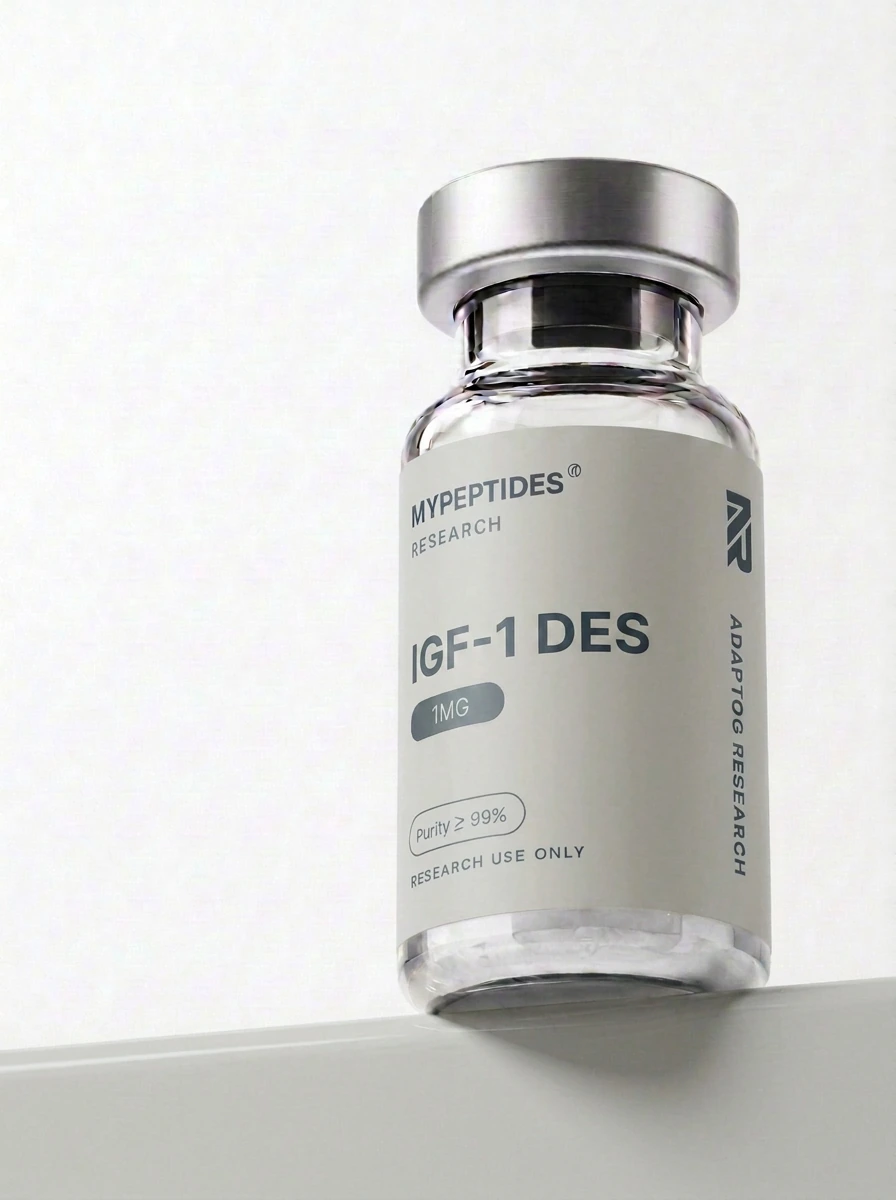
Somatropin (recombinant HGH) is the reference GH-receptor ligand. HGH Fragment 176-191 and AOD-9604 are C-terminal fragments studied for lipid-metabolism signalling apart from the GH receptor, and IGF-1 LR3 and IGF-1 DES are IGF-1 analogues with reduced binding to IGF-binding proteins.
Orders placed before 12:00 UK time (Mon–Fri) are dispatched the same working day by tracked delivery, free on UK & EU orders over £50.
At a glance
Frequently asked questions
What is the difference between CJC-1295 with and without DAC?
Both are GRF(1-29) analogues. The DAC version carries a Drug Affinity Complex that binds serum albumin and greatly extends its persistence; the no-DAC version (Modified GRF 1-29) is shorter-acting.
Why is ipamorelin used as a reference secretagogue?
Because it selects the ghrelin receptor (GHS-R1a) cleanly over related targets, which makes it a useful selective control next to GHRP-2, GHRP-6 and hexarelin.
How should these peptides be stored?
Lyophilised at −20 °C, protected from light, and reconstituted with bacteriostatic or sterile water immediately before in-vitro use.
Are GH-axis peptides for human use?
No. Everything in this range is supplied strictly as laboratory research material for in-vitro use. It is not a medicine, food, supplement or cosmetic and is not for human or veterinary use.
Related research areas