
Research area
NAD+ & cellular-ageing research compounds
Coenzymes, mitochondrial-derived peptides and thymic peptides for laboratory research on energy metabolism, AMPK and SIRT1 signalling, telomerase activity and immune signalling.
Energy metabolism
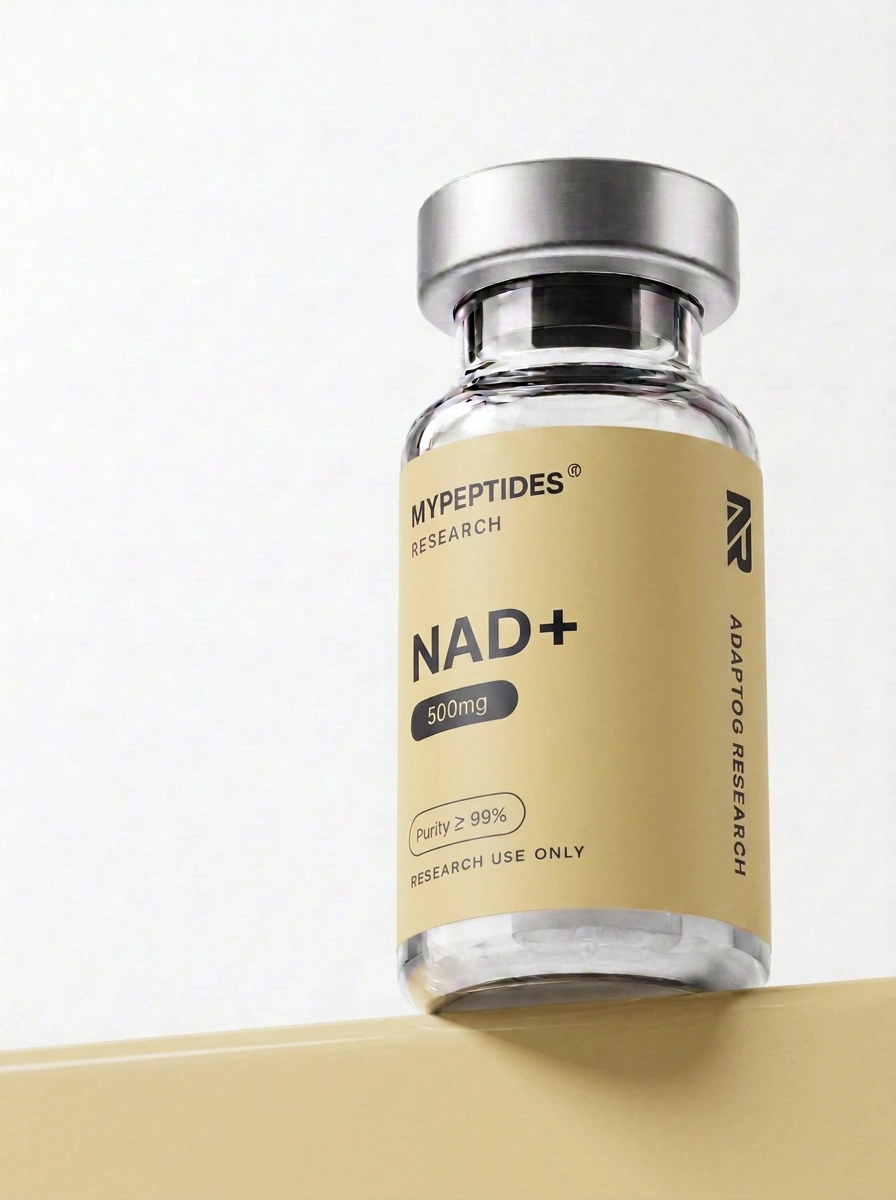
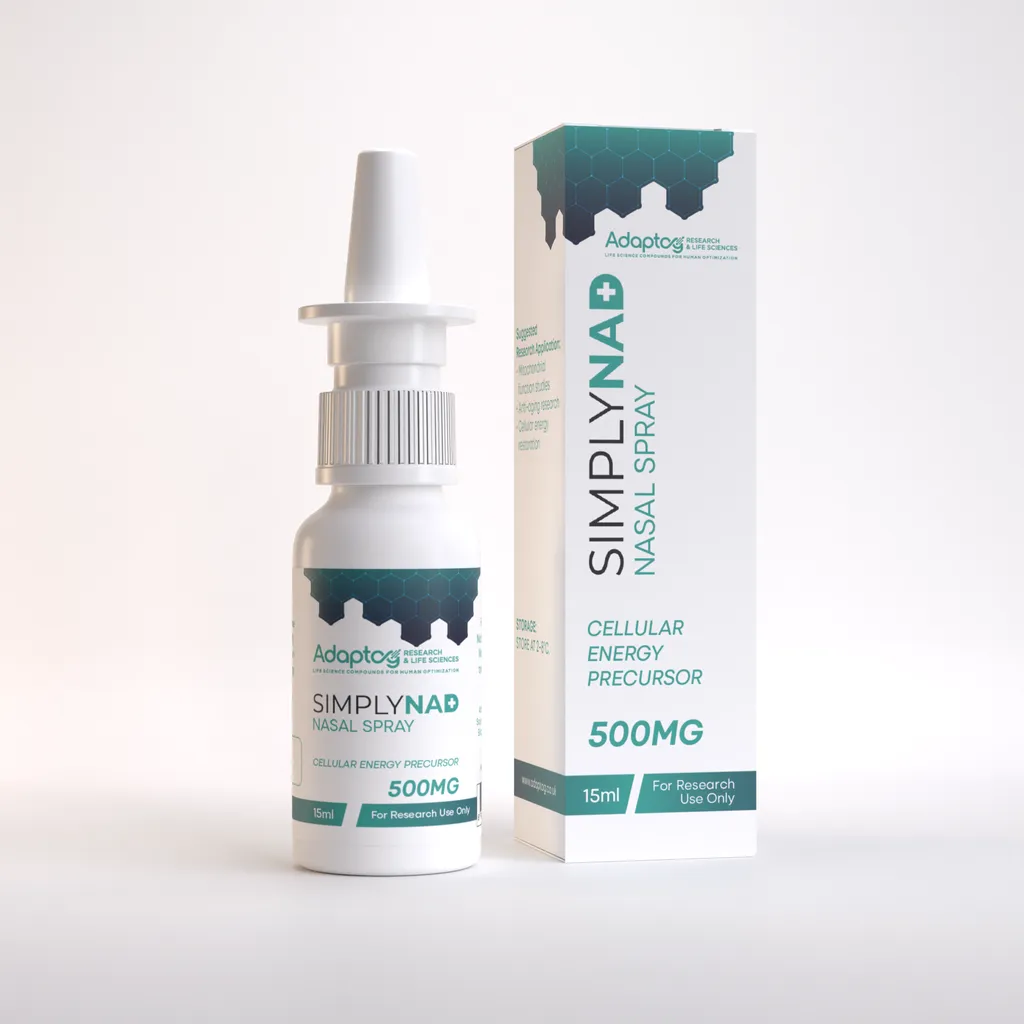
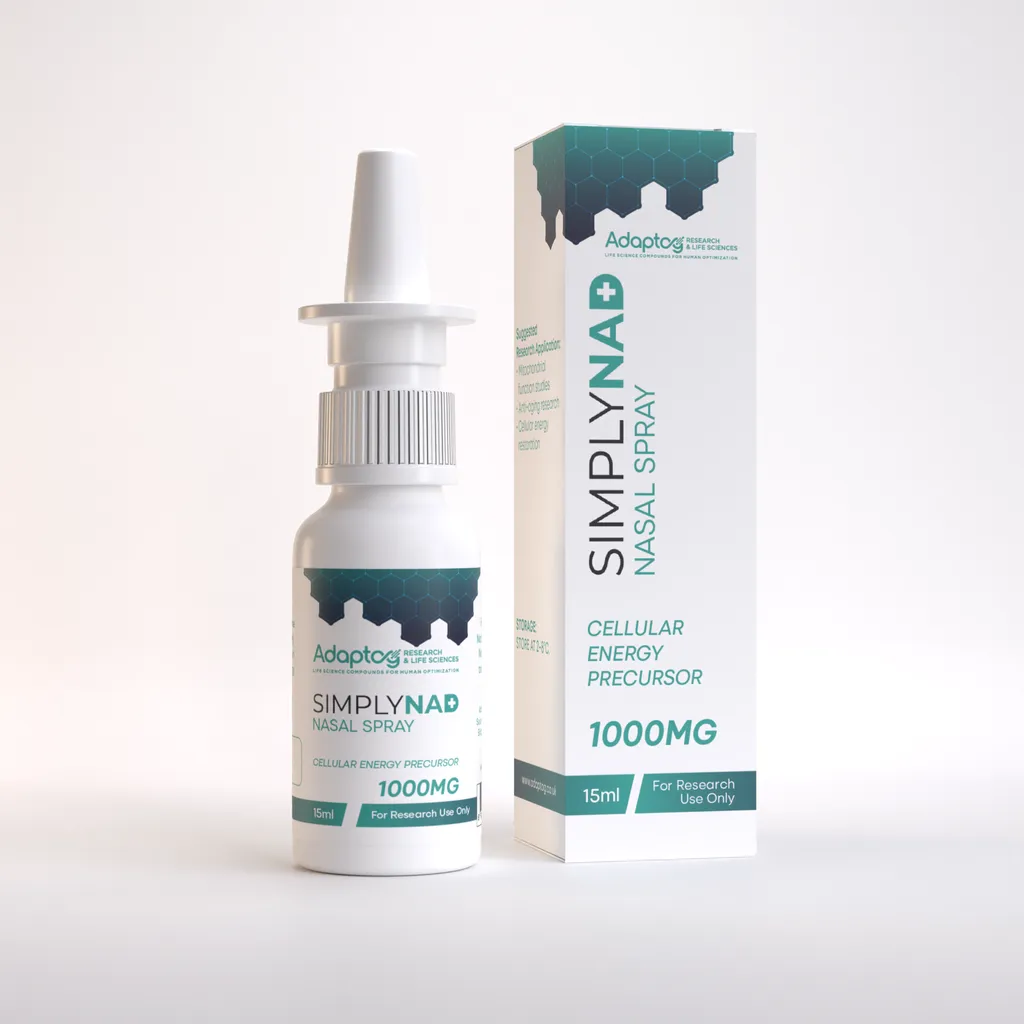
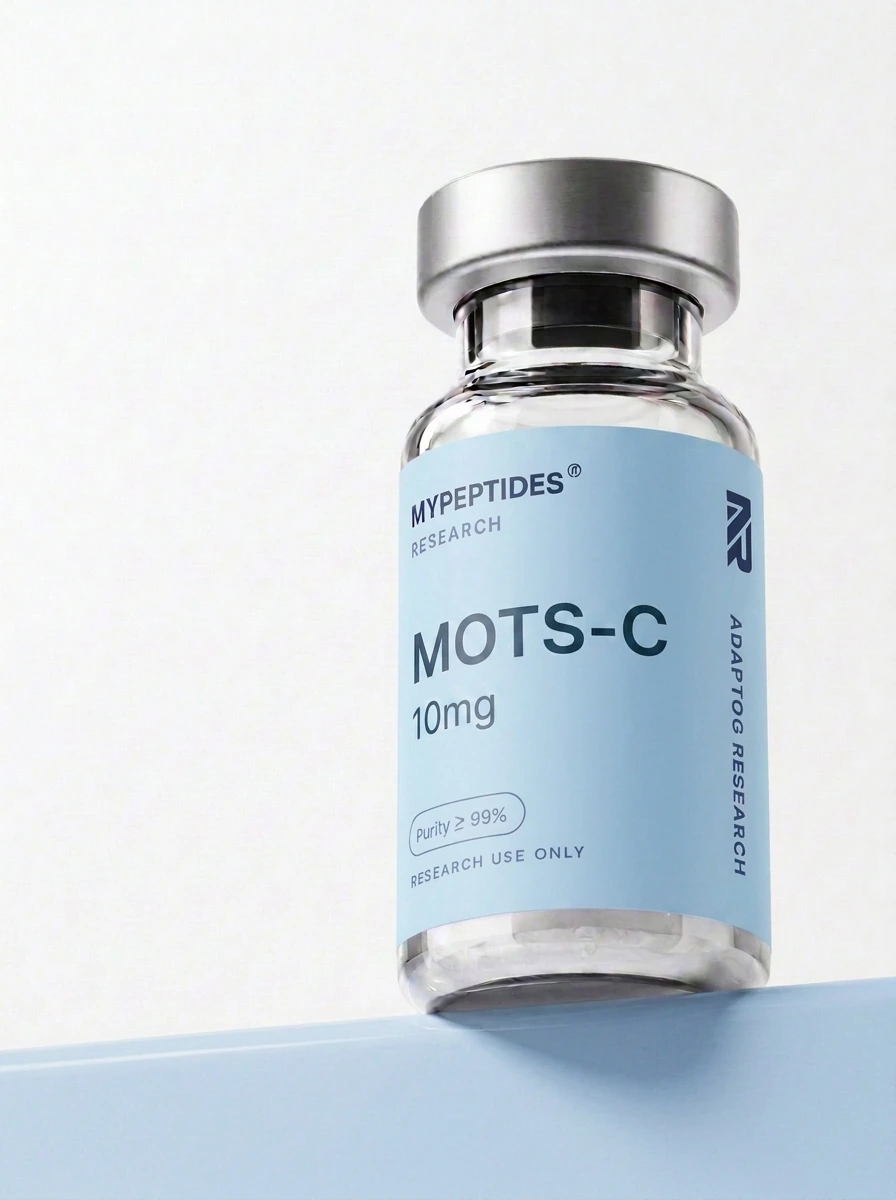
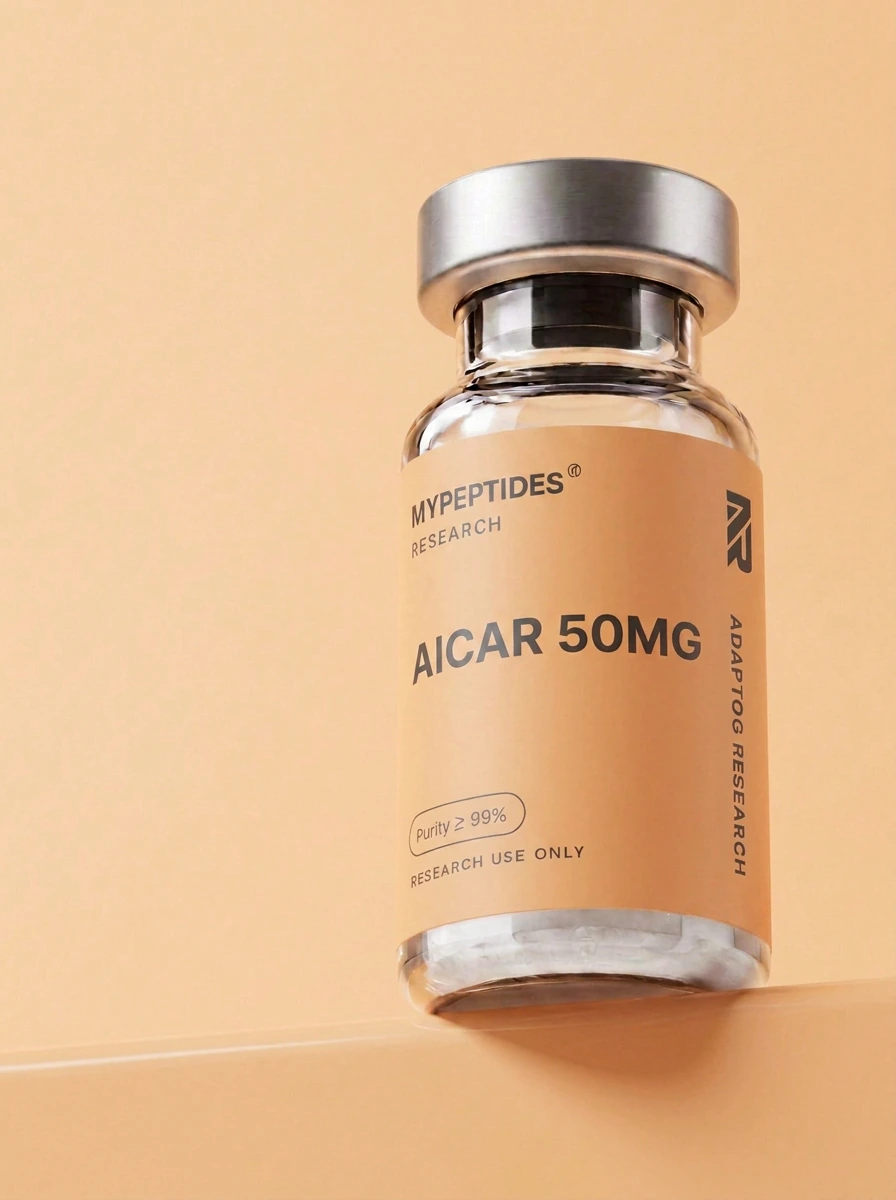
NAD+ is the pyridine coenzyme at the centre of cellular redox metabolism and is studied across mitochondrial function, SIRT1 activity and DNA-repair pathways. MOTS-c is a 16-amino-acid peptide encoded in mitochondrial DNA and studied for AMPK activation, and AICAR is the classic pharmacological AMPK activator.
Together they cover the energy-sensing axis from coenzyme supply to kinase signalling.
Telomere and thymic research
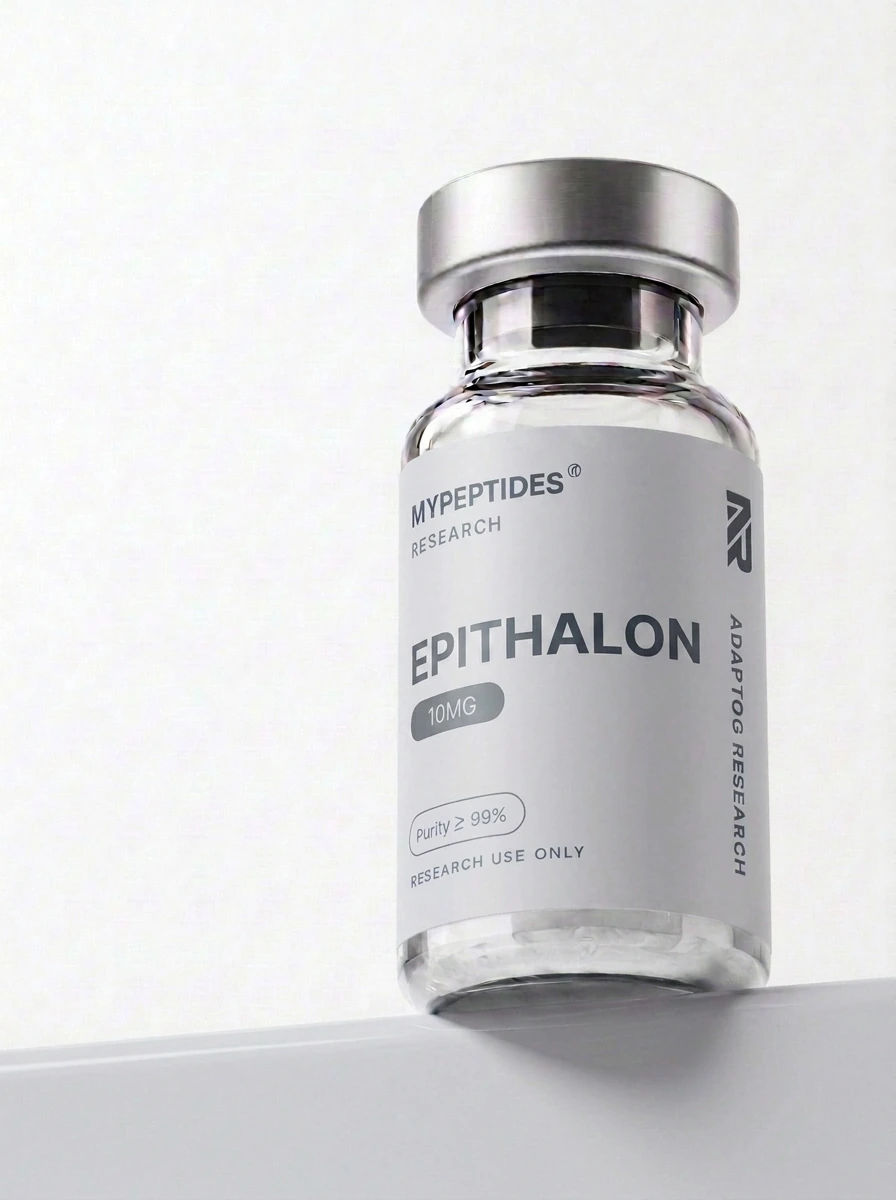
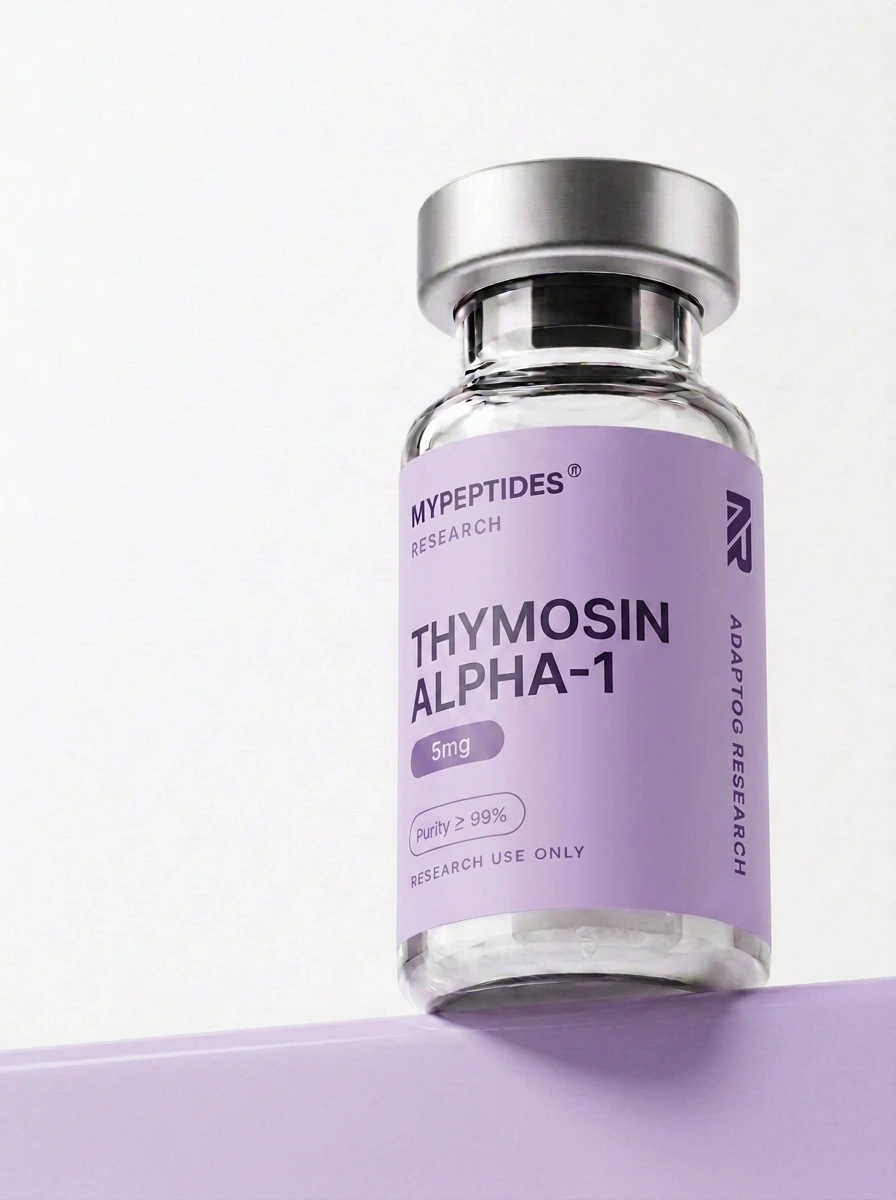
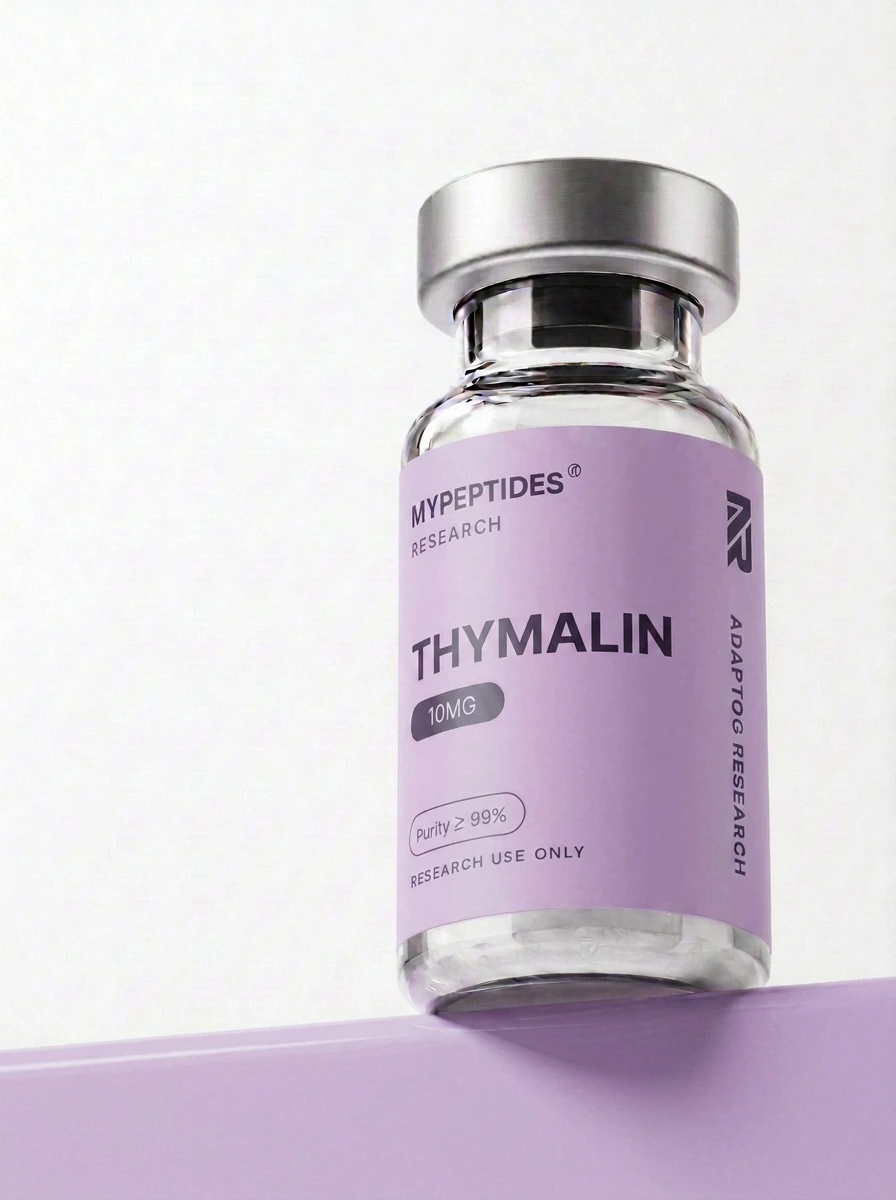
Epithalon (Ala-Glu-Asp-Gly) is a synthetic tetrapeptide studied for telomerase expression in cellular-ageing models. Thymosin Alpha-1 and Thymalin are thymic peptides studied for T-cell and lymphocyte-differentiation signalling.
Orders placed before 12:00 UK time (Mon–Fri) are dispatched the same working day by tracked delivery, free on UK & EU orders over £50.
Frequently asked questions
What forms of NAD+ are available?
NAD+ as 500 mg and 1000 mg lyophilised vials, and as 500 mg and 1000 mg nasal-spray solutions.
What is MOTS-c?
A mitochondrial-derived peptide encoded within the 12S rRNA gene, first described in 2015 and studied for AMPK and metabolic-stress signalling.
How are these compounds stored?
Lyophilised material at −20 °C, protected from light; sprays at 2–8 °C.
Are these compounds for human use?
No. Everything in this range is supplied strictly as laboratory research material for in-vitro use. It is not a medicine, food, supplement or cosmetic and is not for human or veterinary use.
Related research areas