
Research area
Tissue-repair research peptides
BPC-157, TB-500, KPV and fixed-ratio blends — the core peptides used in laboratory research on cell migration, angiogenesis and cytoprotective signalling.
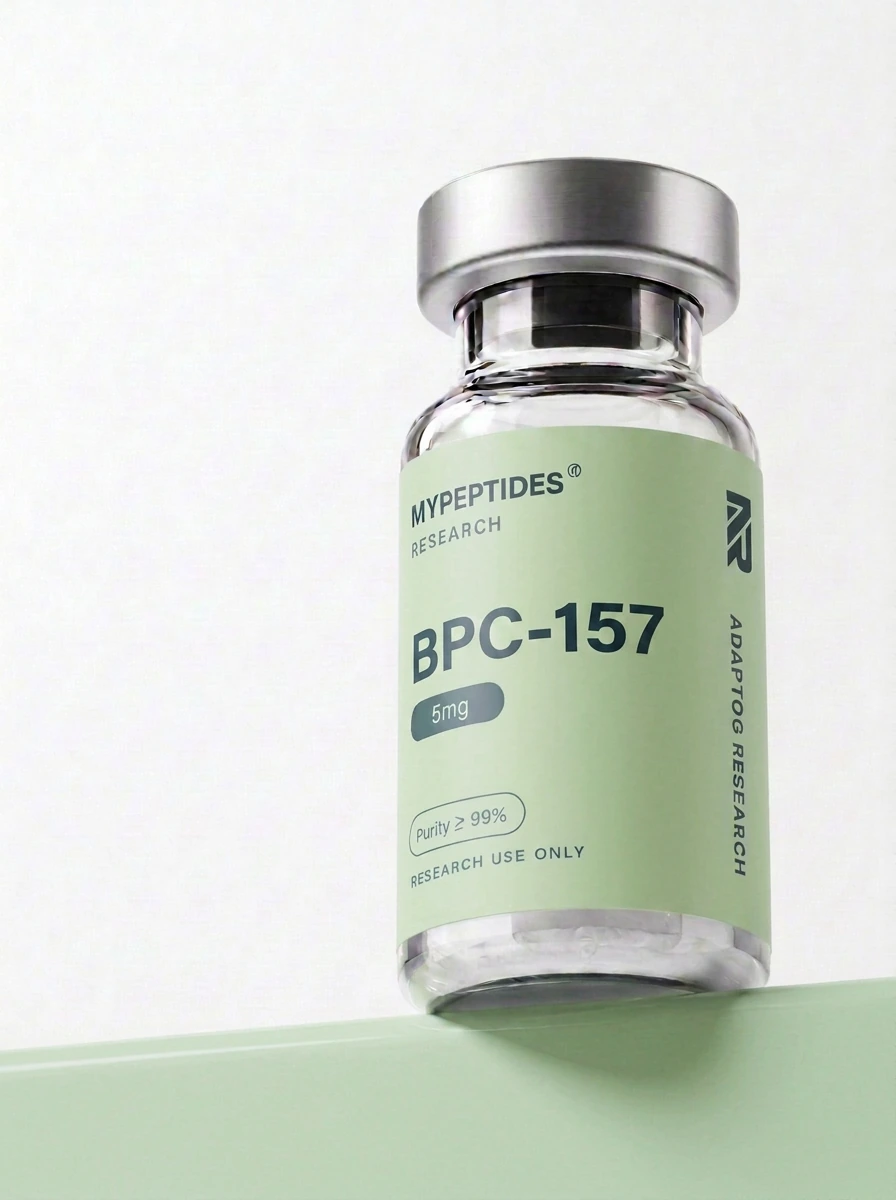
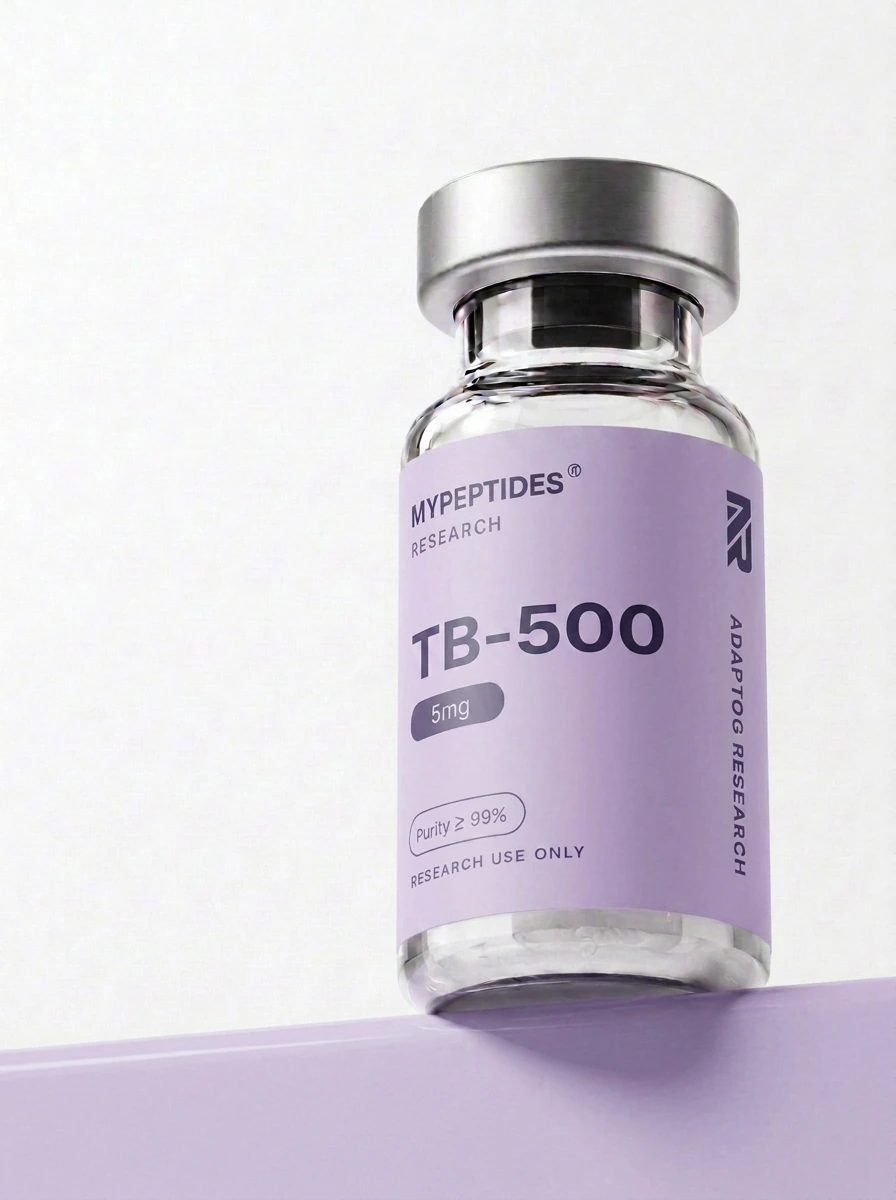
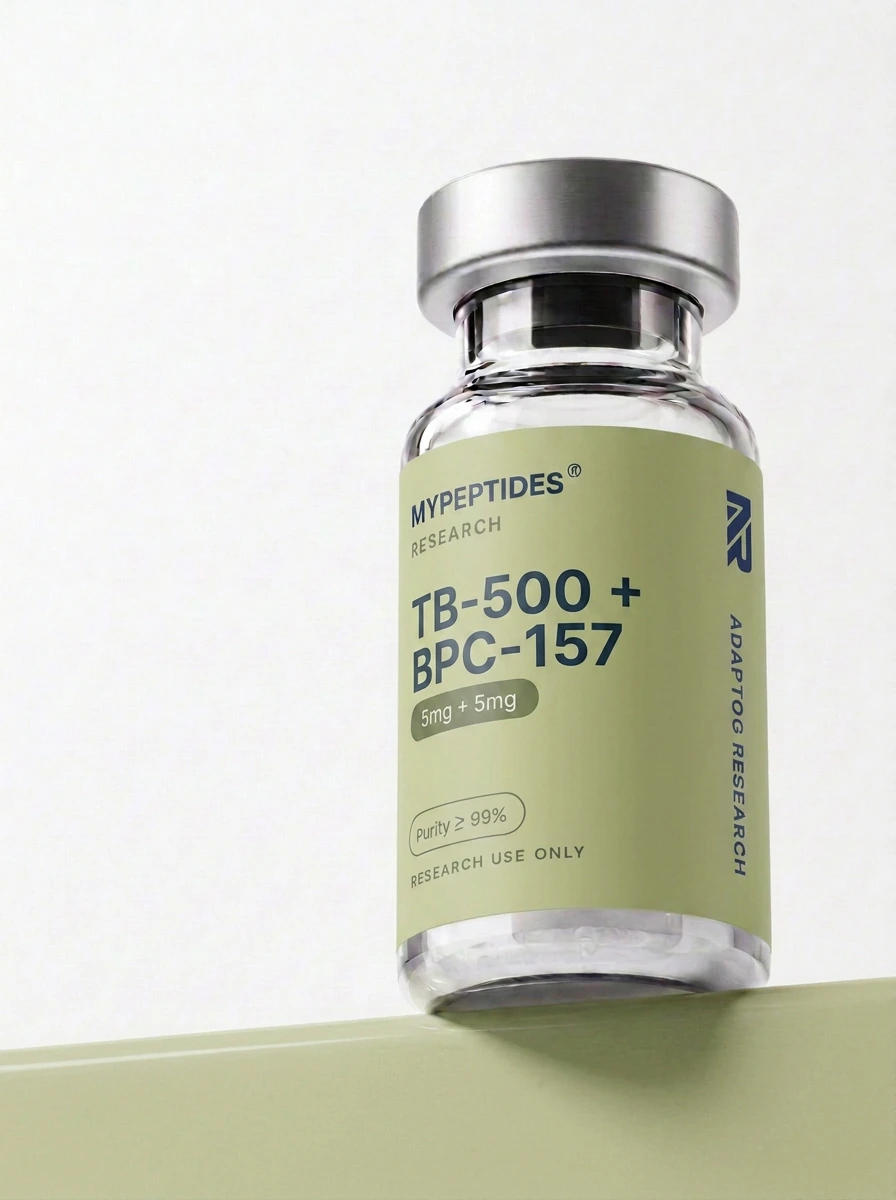
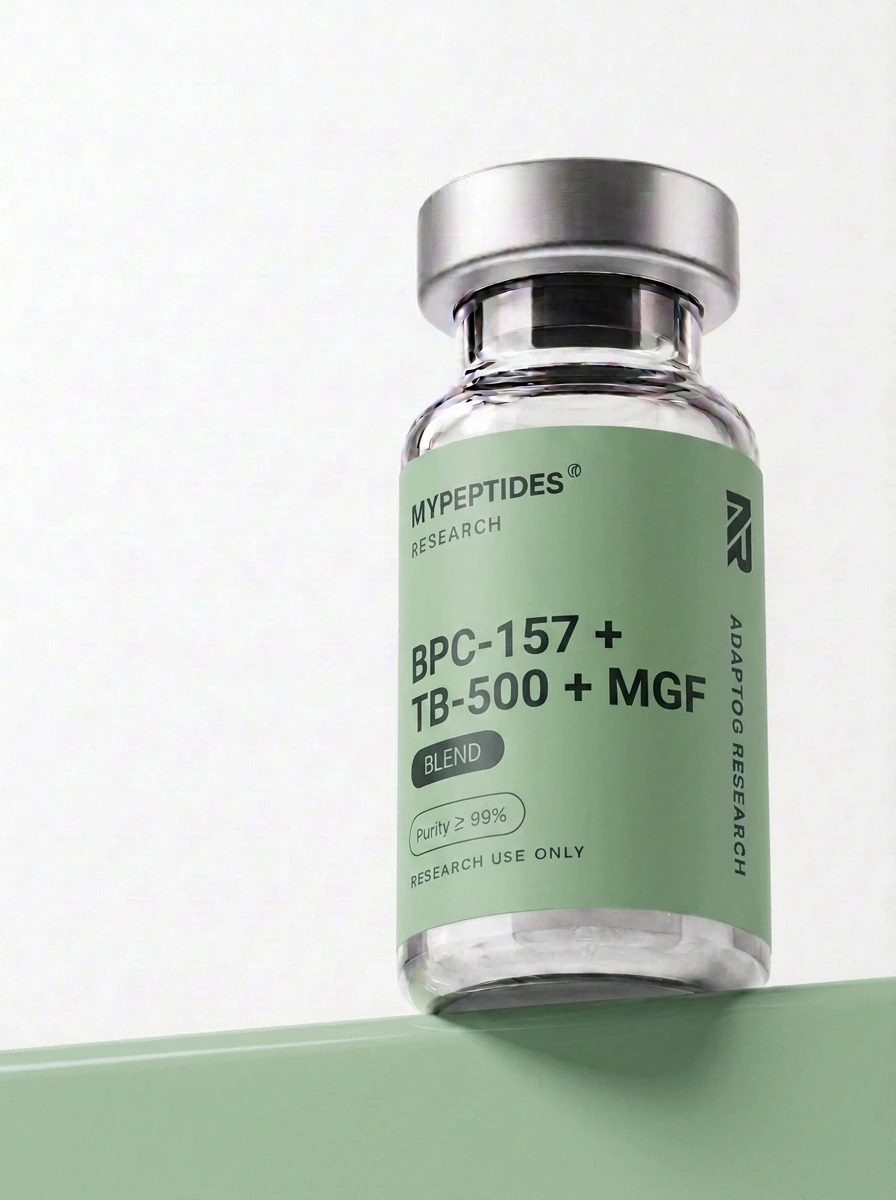
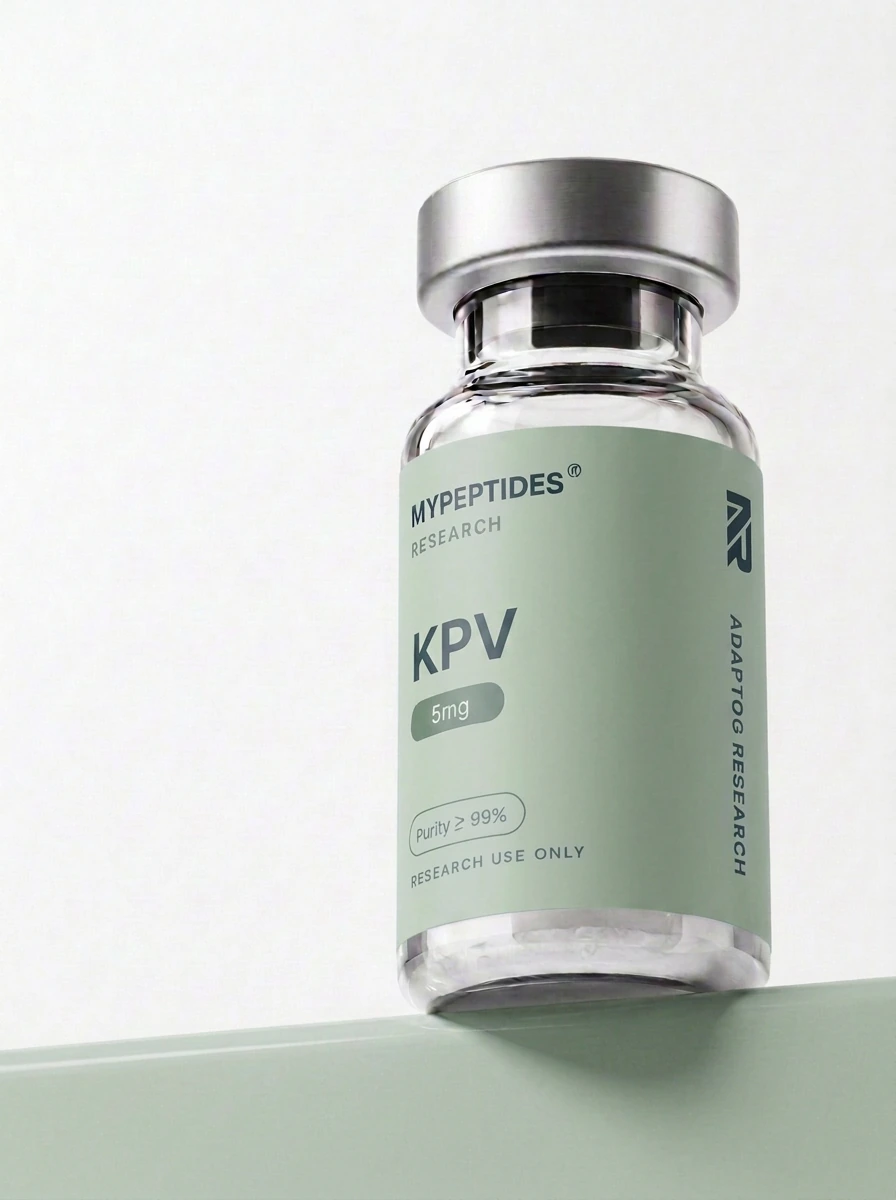
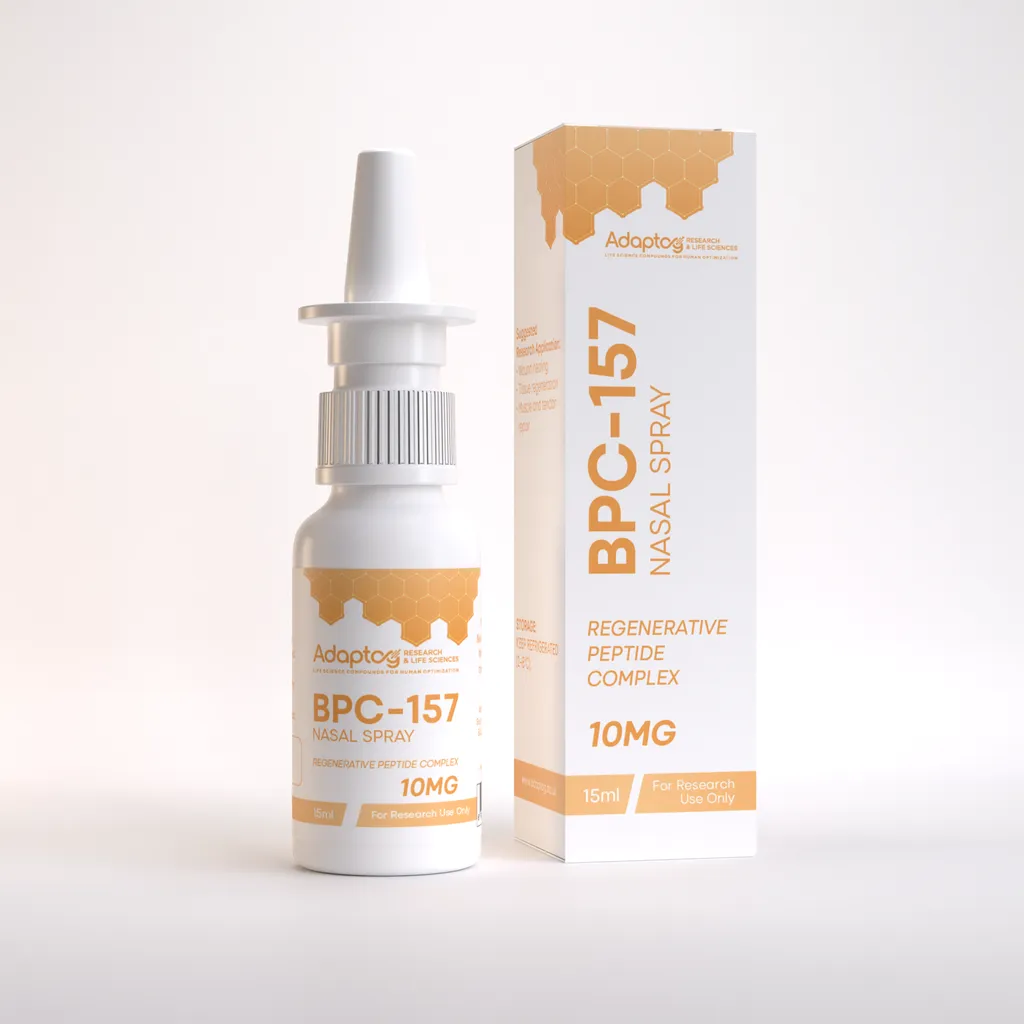
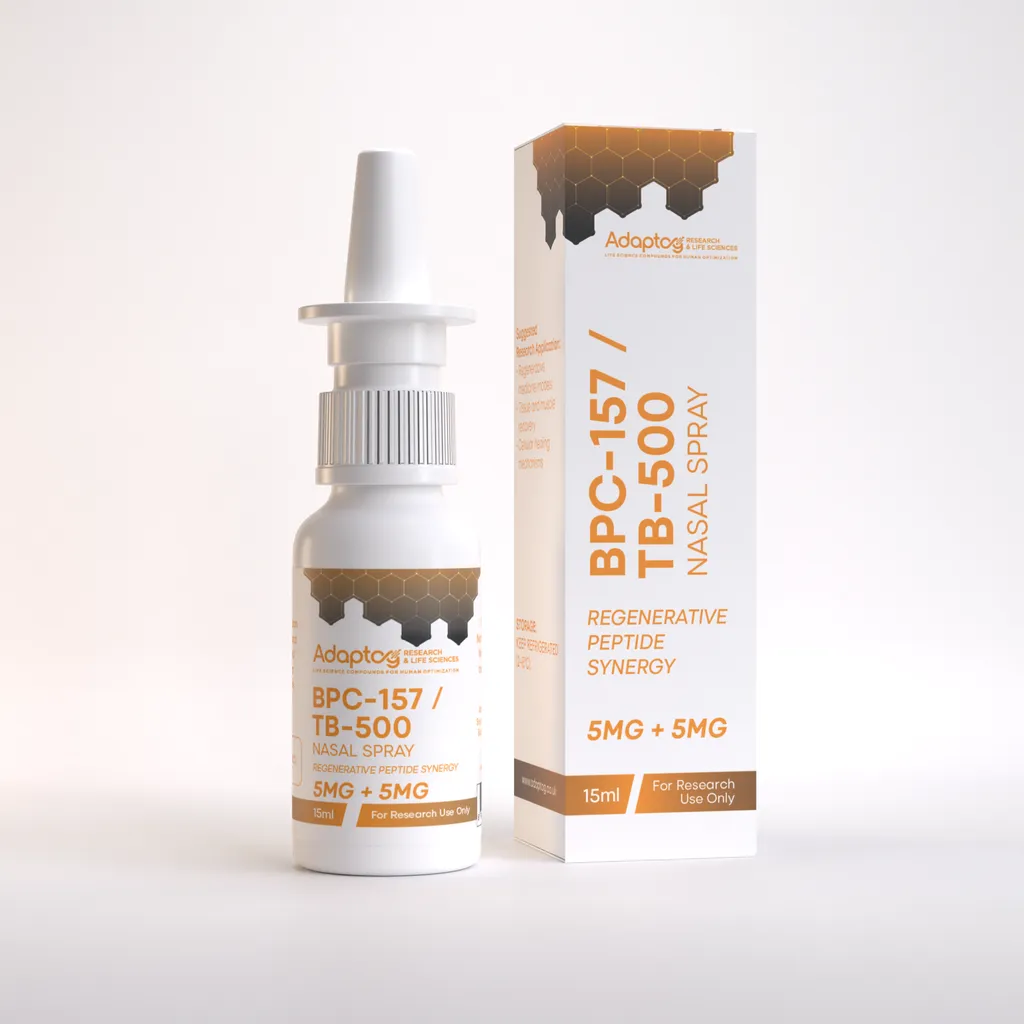
BPC-157 and TB-500
BPC-157 is a 15-amino-acid peptide derived from a fragment of the gastric protein BPC and has been characterised in soft-tissue, vascular and cytoprotective-signalling studies for more than two decades. TB-500 is a synthetic peptide based on the actin-binding region of thymosin β4 and is studied for cell-migration and cytoskeletal-remodelling pathways.
Because they act on different pathways, the two are often run side by side in comparative repair models.
Blends and KPV
The BPC-157 + TB-500 blend fixes a 5 mg + 5 mg ratio in one vial so the ratio stays identical across samples; the triple blend adds the IGF-1 splice-variant peptide MGF. KPV, the C-terminal Lys-Pro-Val tripeptide of α-MSH, is studied in inflammatory-signalling cell models.
Orders placed before 12:00 UK time (Mon–Fri) are dispatched the same working day by tracked delivery, free on UK & EU orders over £50.
At a glance
Frequently asked questions
What is the difference between BPC-157 and TB-500?
BPC-157 is a gastric-protein-derived pentadecapeptide studied mainly in angiogenesis and cytoprotective-signalling models; TB-500 is a thymosin β4-derived peptide studied for actin regulation and cell migration. They target different pathways, which is why they are often compared or combined.
Why choose a blend instead of two vials?
A blend fixes the ratio in a single vial, which removes a mixing step and keeps the ratio identical between samples. Separate vials give you control over the ratio.
How should these peptides be stored?
Lyophilised vials at −20 °C, protected from light; reconstitute with bacteriostatic or sterile water immediately before use. Sprays at 2–8 °C.
Are tissue-repair peptides for human use?
No. Everything in this range is supplied strictly as laboratory research material for in-vitro use. It is not a medicine, food, supplement or cosmetic and is not for human or veterinary use.
Related research areas