
Research area
Skin & dermal research peptides
Copper peptides, matrix-signalling peptides and melanocortin analogues for laboratory research on collagen, extracellular-matrix and pigmentation pathways.
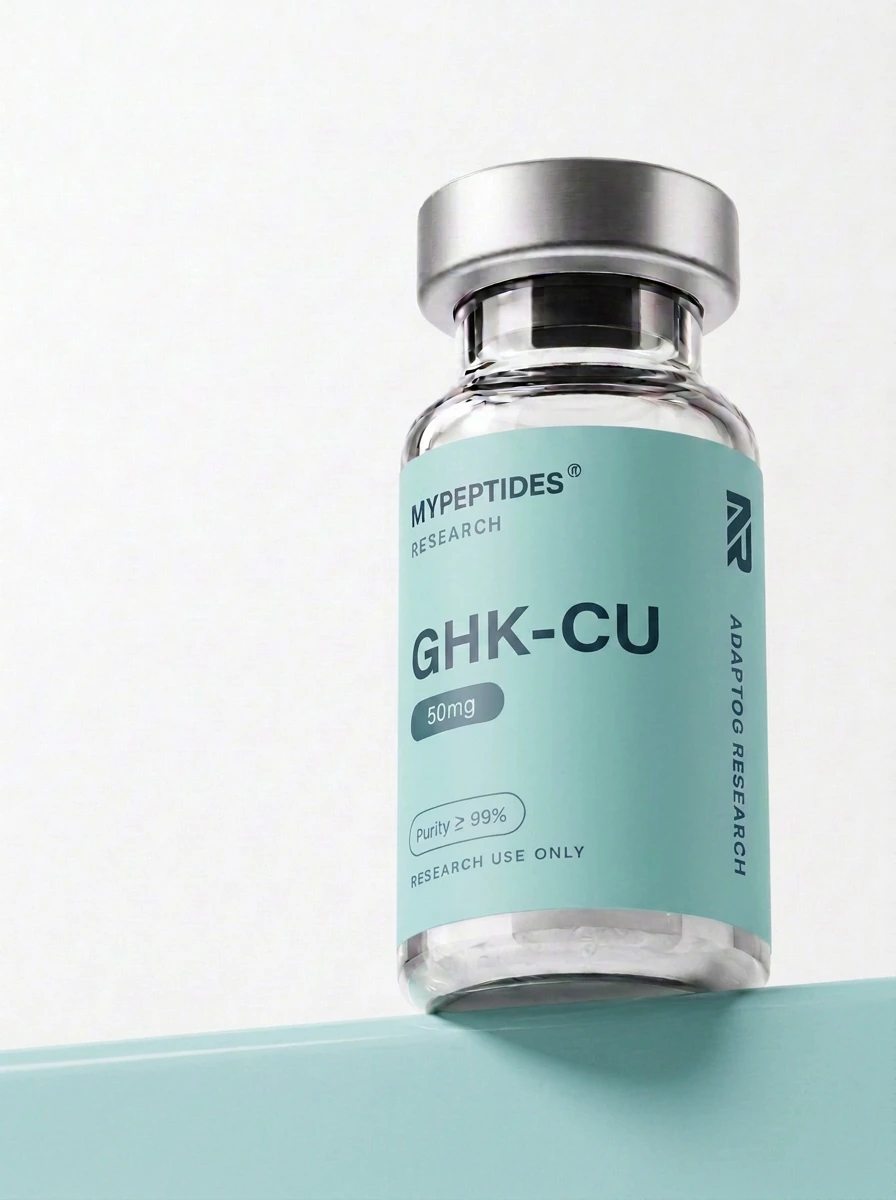
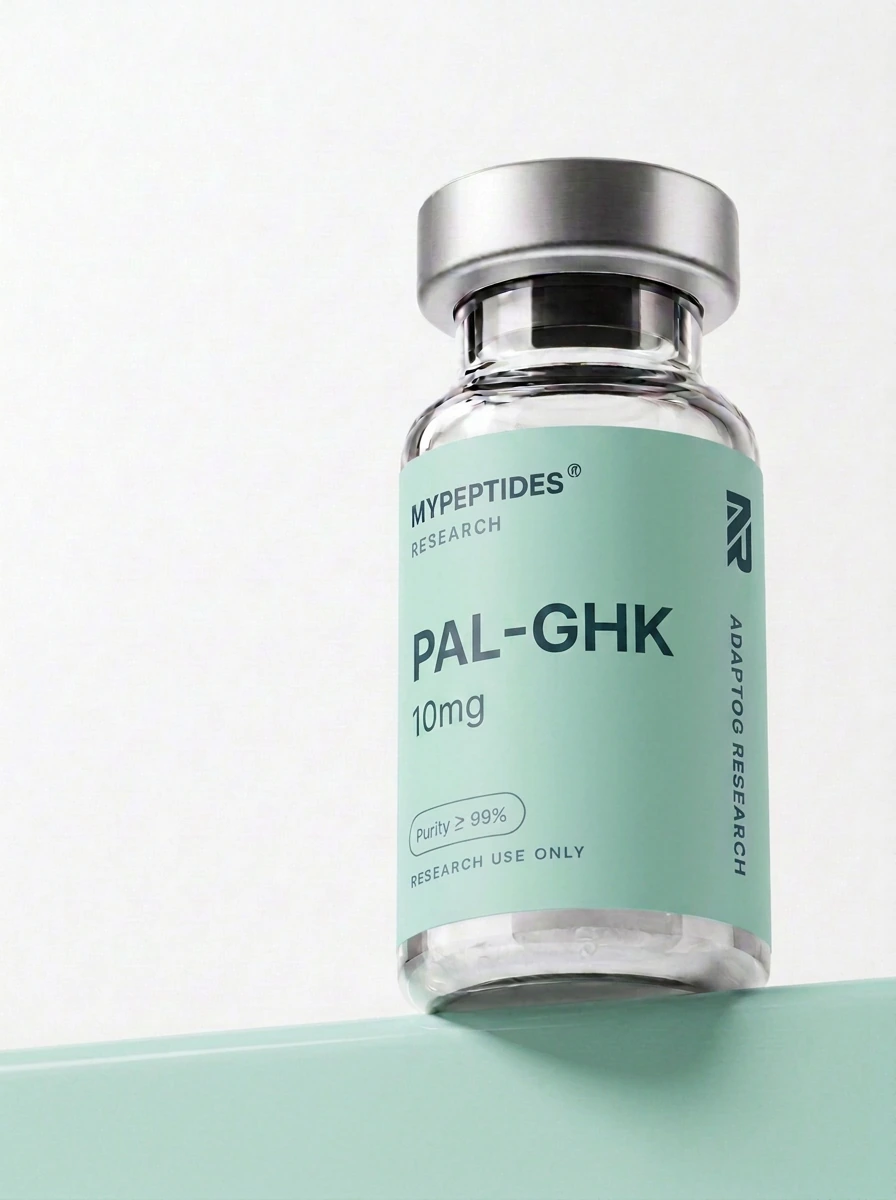
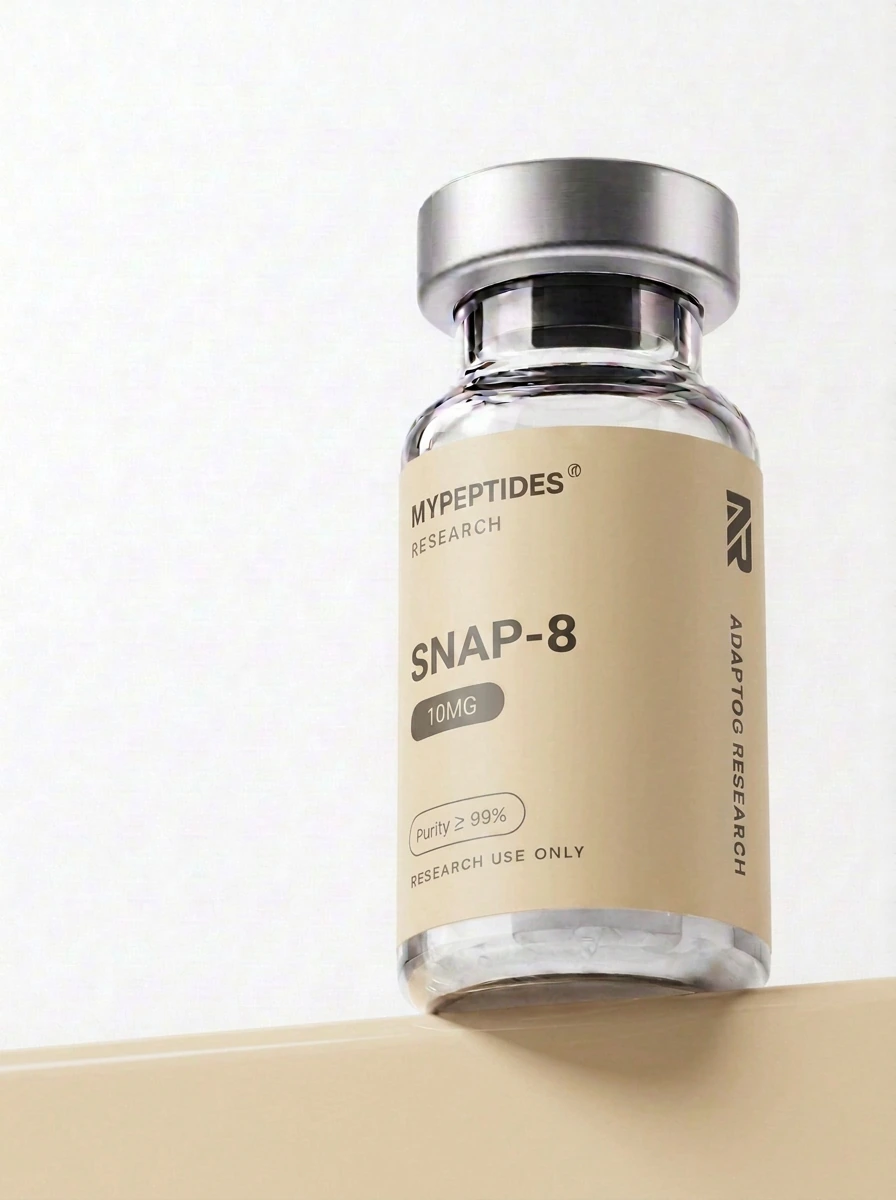
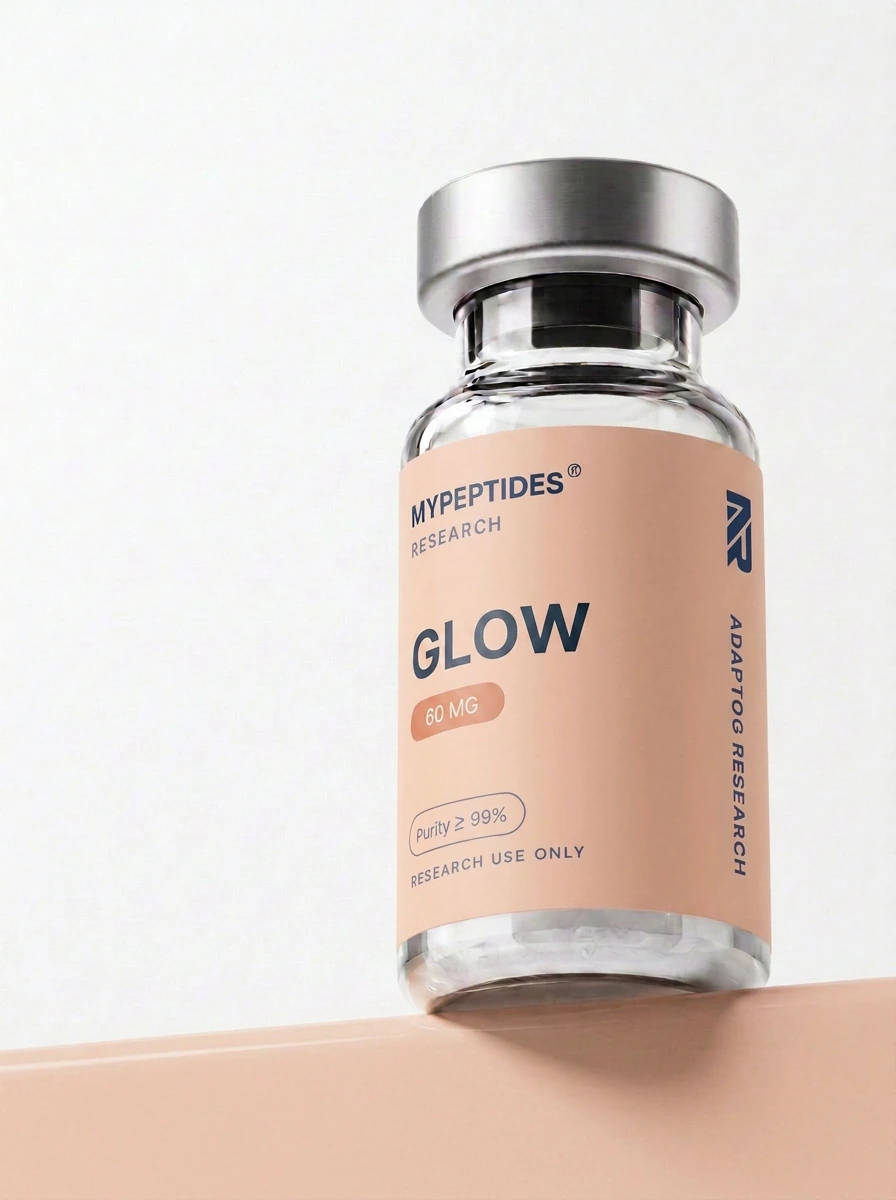
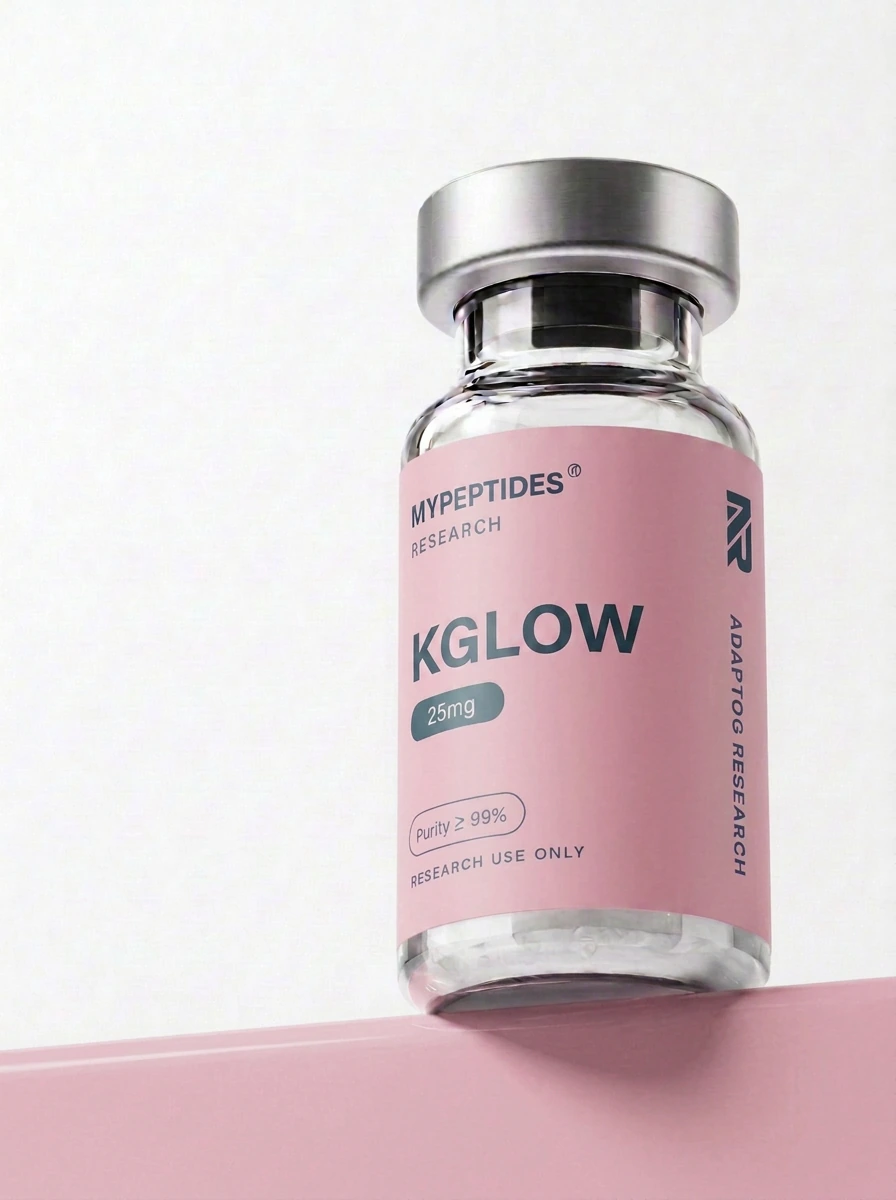
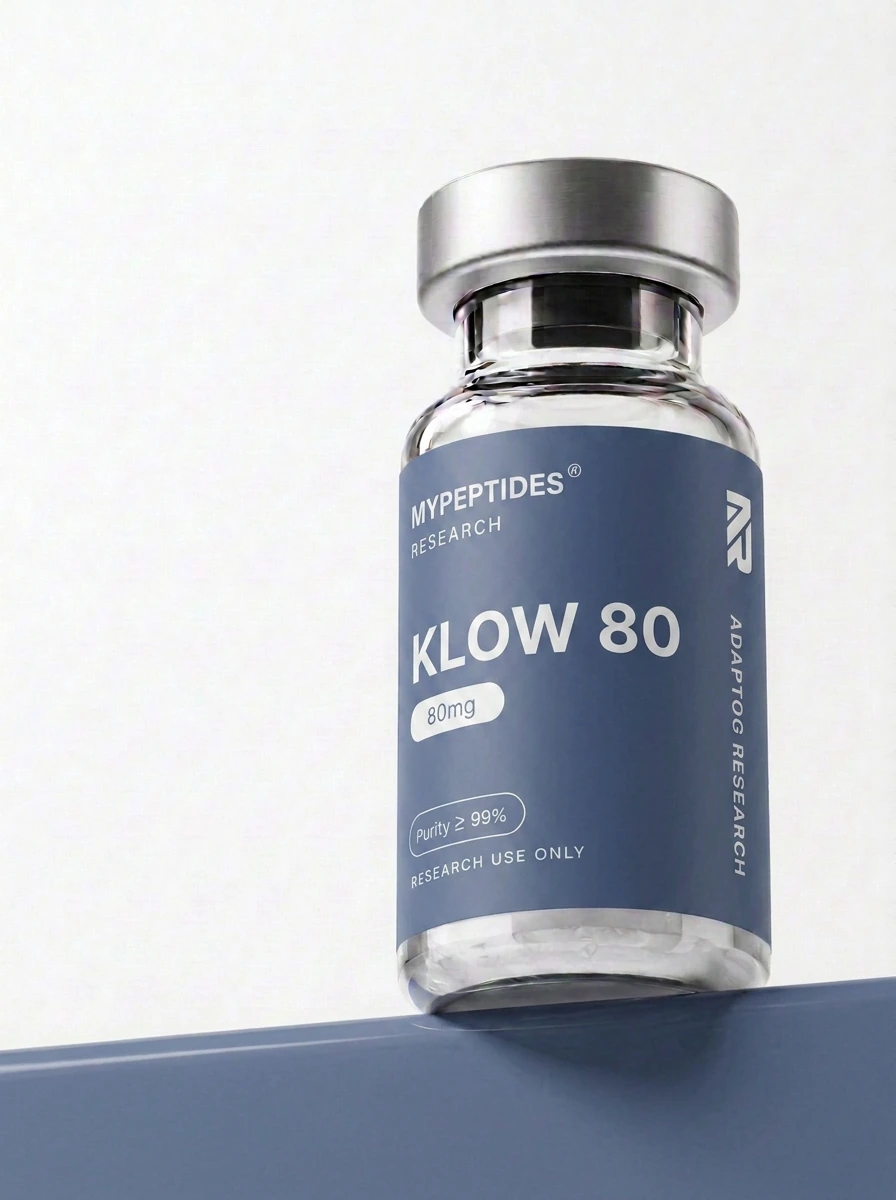
Matrix and collagen signalling
GHK-Cu is a naturally occurring copper-binding tripeptide studied for collagen, glycosaminoglycan and metalloproteinase signalling in dermal fibroblast models. Pal-GHK (palmitoyl tripeptide-1) is its lipidated form, and the GLOW and KLOW blends build on a GHK-Cu core.
SNAP-8 (acetyl octapeptide-3), modelled on the SNAP-25 protein, is a reference peptide for SNARE-complex and neuromuscular-junction signalling.
Melanocortin analogues
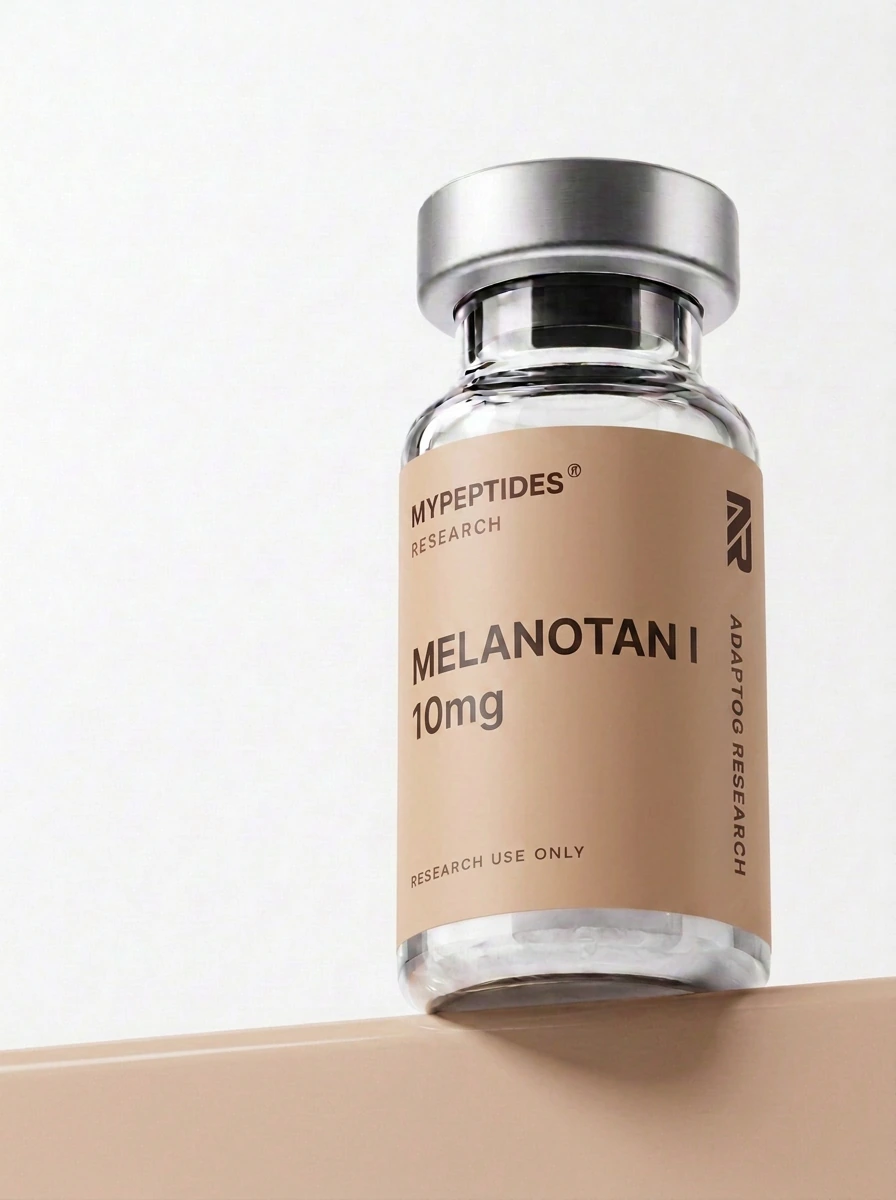
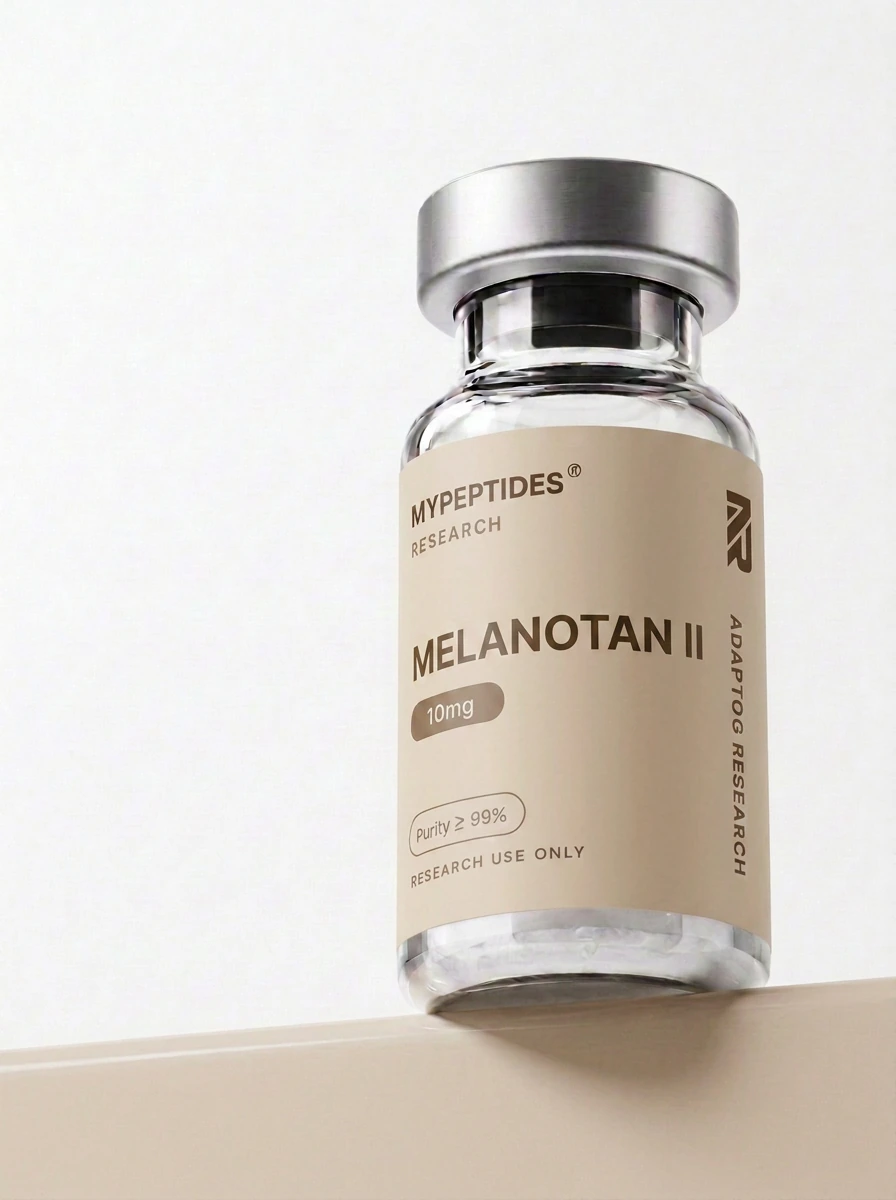
Melanotan I (afamelanotide) is a linear α-MSH analogue selective for the MC1 receptor; Melanotan II is a cyclic analogue that activates several melanocortin receptors. Both are standard reference ligands in pigmentation-pathway and cAMP-signalling research.
Orders placed before 12:00 UK time (Mon–Fri) are dispatched the same working day by tracked delivery, free on UK & EU orders over £50.
Frequently asked questions
What is the difference between GHK-Cu and Pal-GHK?
GHK-Cu is the copper complex of the Gly-His-Lys tripeptide; Pal-GHK is the same tripeptide carrying a palmitic-acid chain, which raises its affinity for lipid membranes. They are studied in related matrix-signalling models.
What is in the GLOW blend?
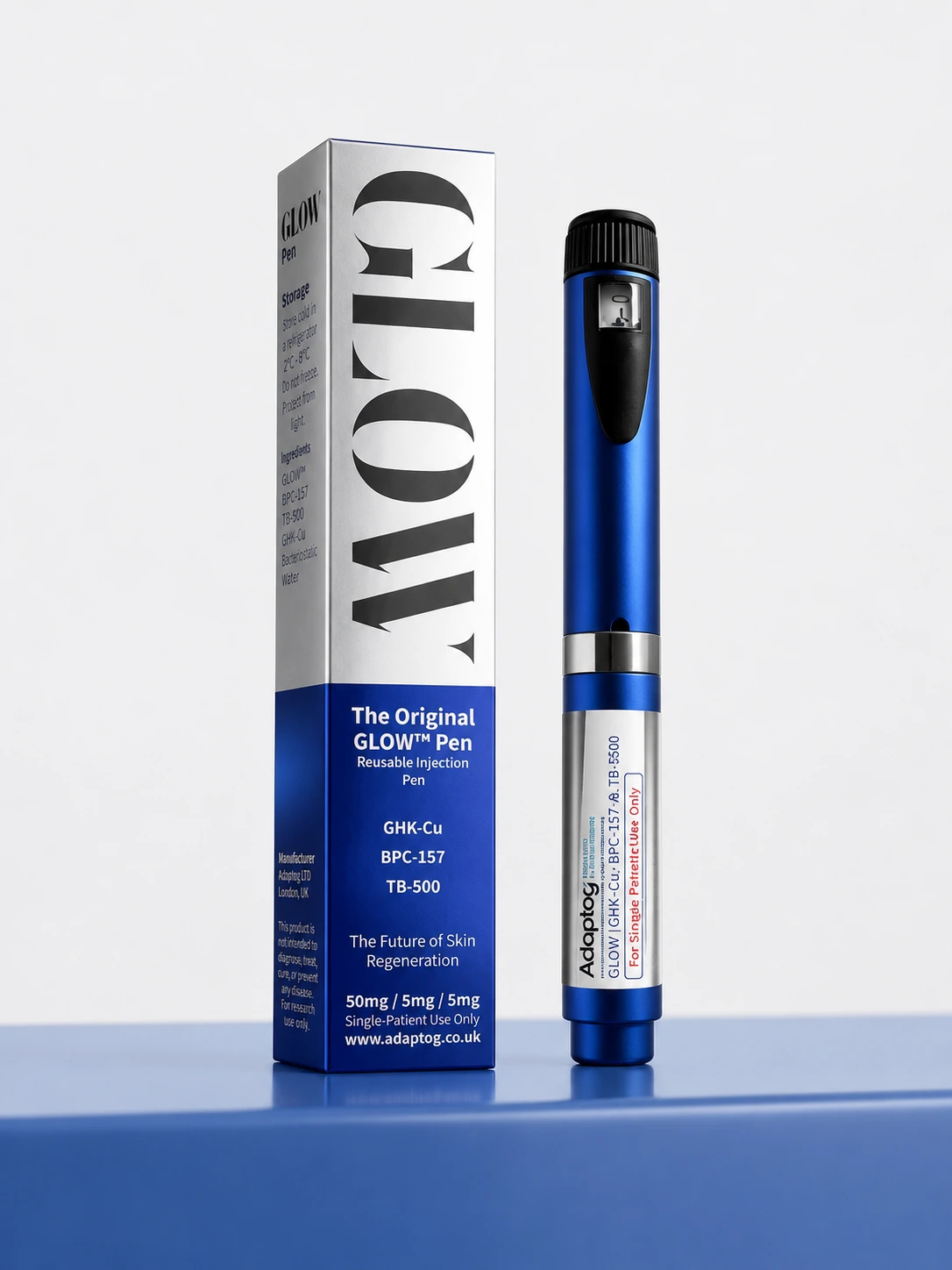
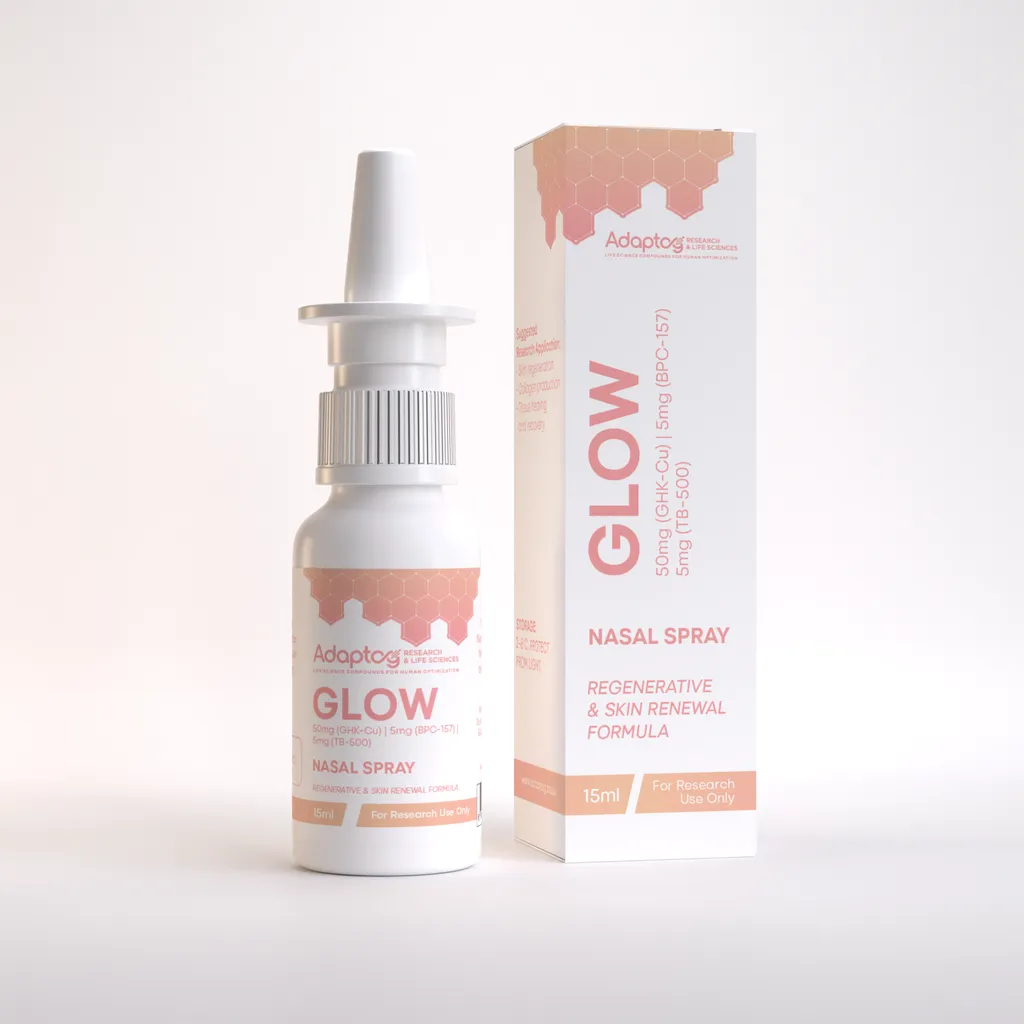
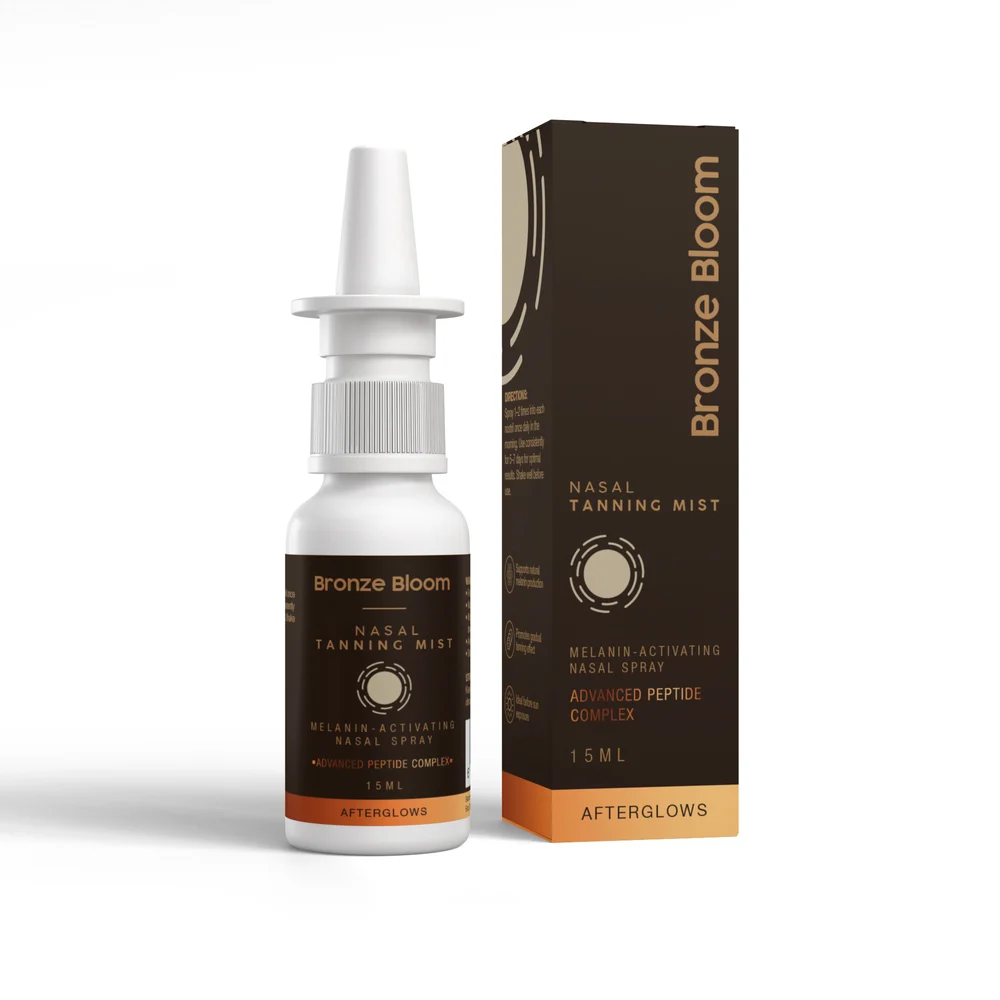
GLOW combines the copper tripeptide GHK-Cu with BPC-157 and TB-500. It is available as vials, a pre-filled pen and a nasal-spray format.
Melanotan I or Melanotan II?
Melanotan I is selective for the MC1 receptor; Melanotan II activates MC1, MC3 and MC4 receptors. Choose by the receptor selectivity your model needs.
Are these peptides for cosmetic or human use?
No. Everything in this range is supplied strictly as laboratory research material for in-vitro use. It is not a medicine, food, supplement or cosmetic and is not for human or veterinary use.
Related research areas